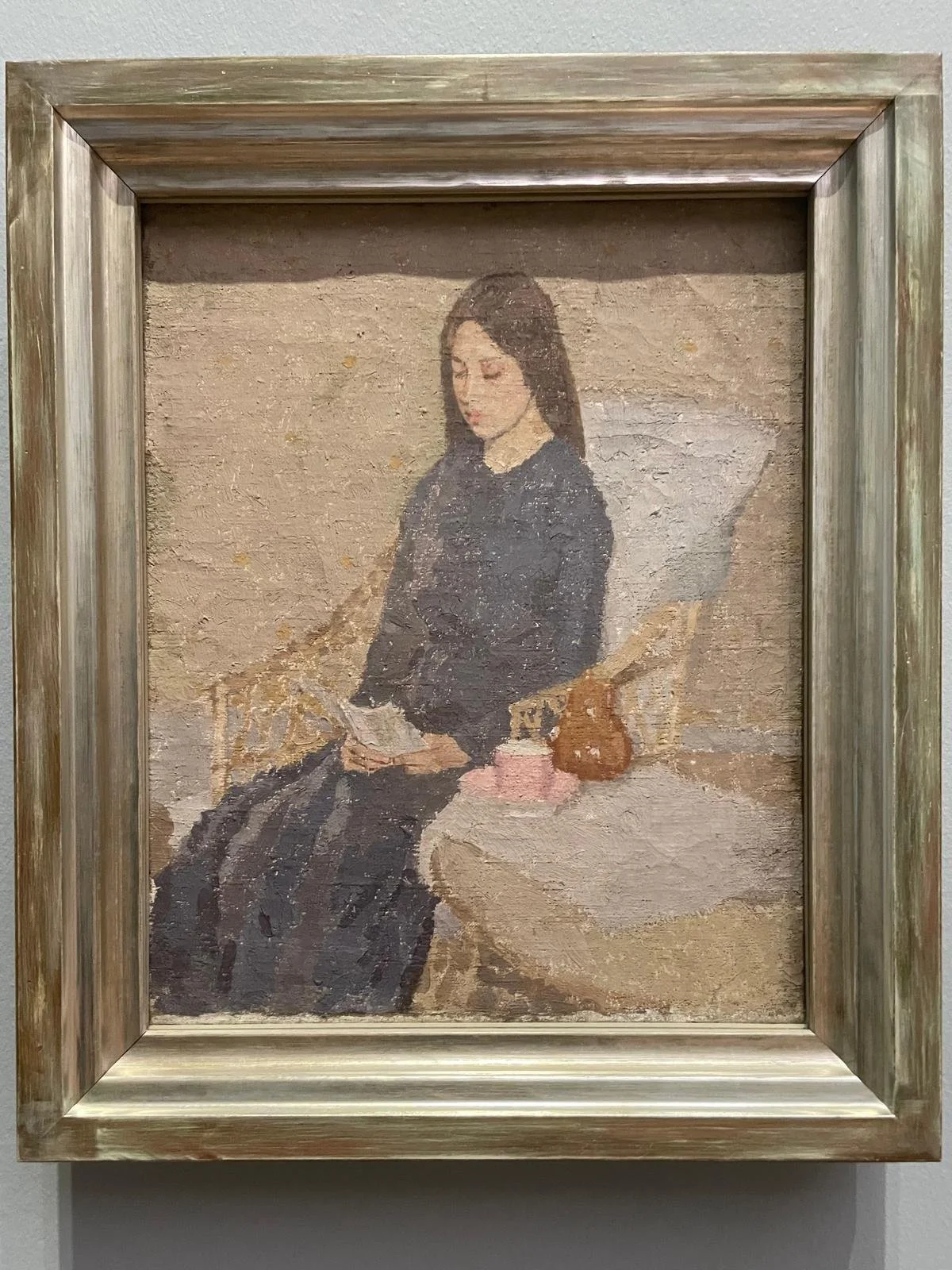
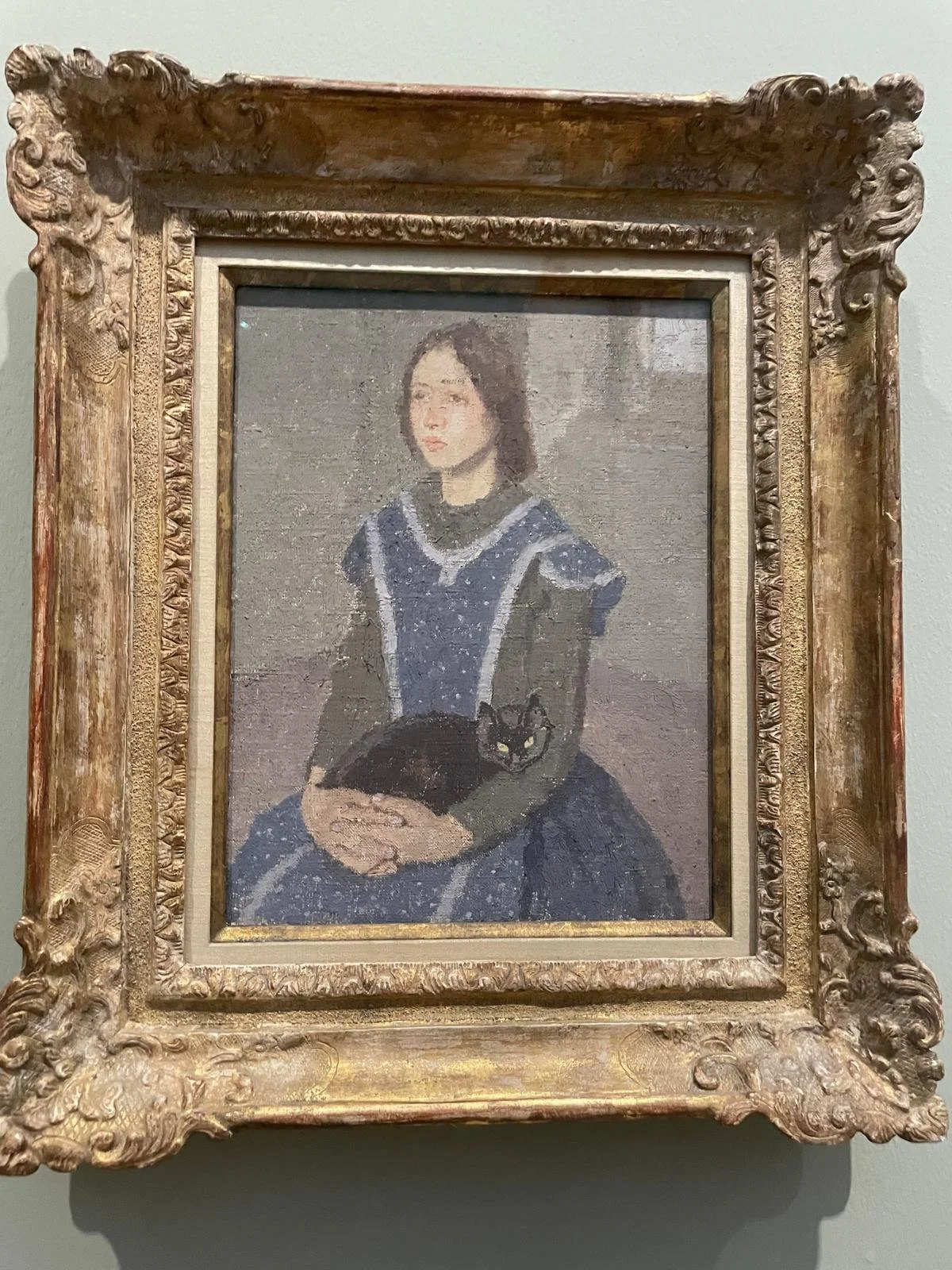
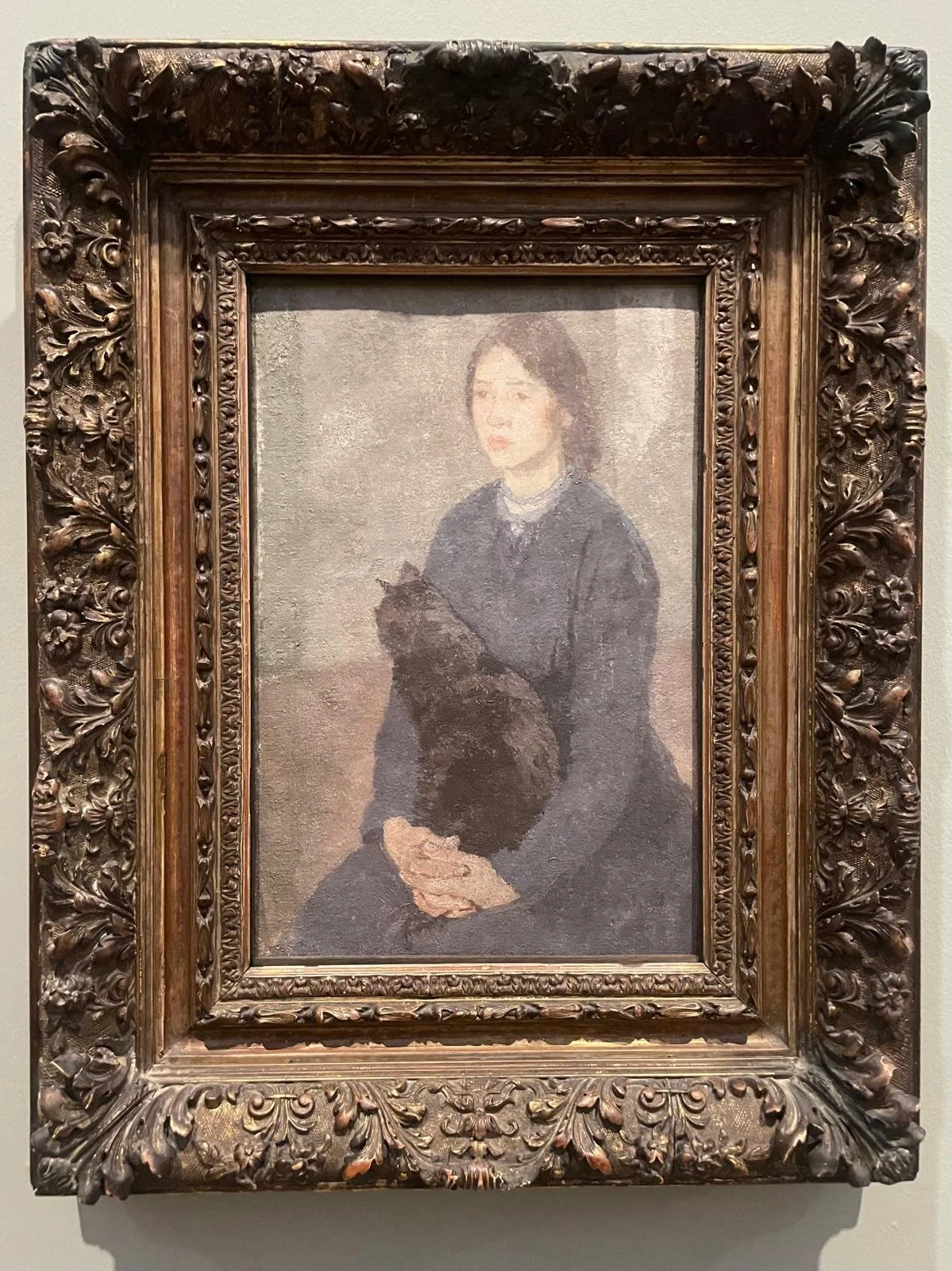
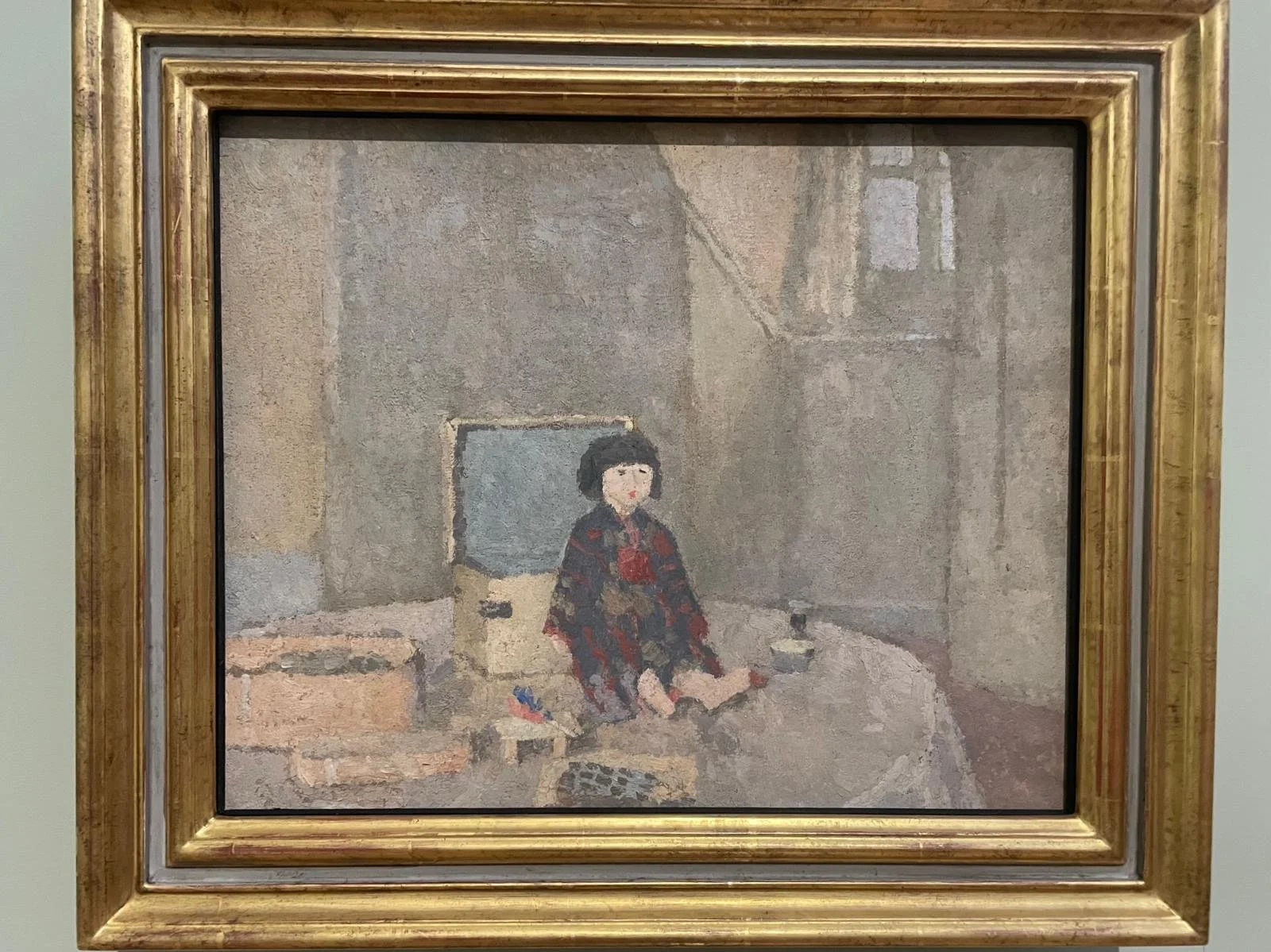
‘Gwen John - Strange Beauties’ - National Museum of Wales, Cardiff
(until 28th June 2026)
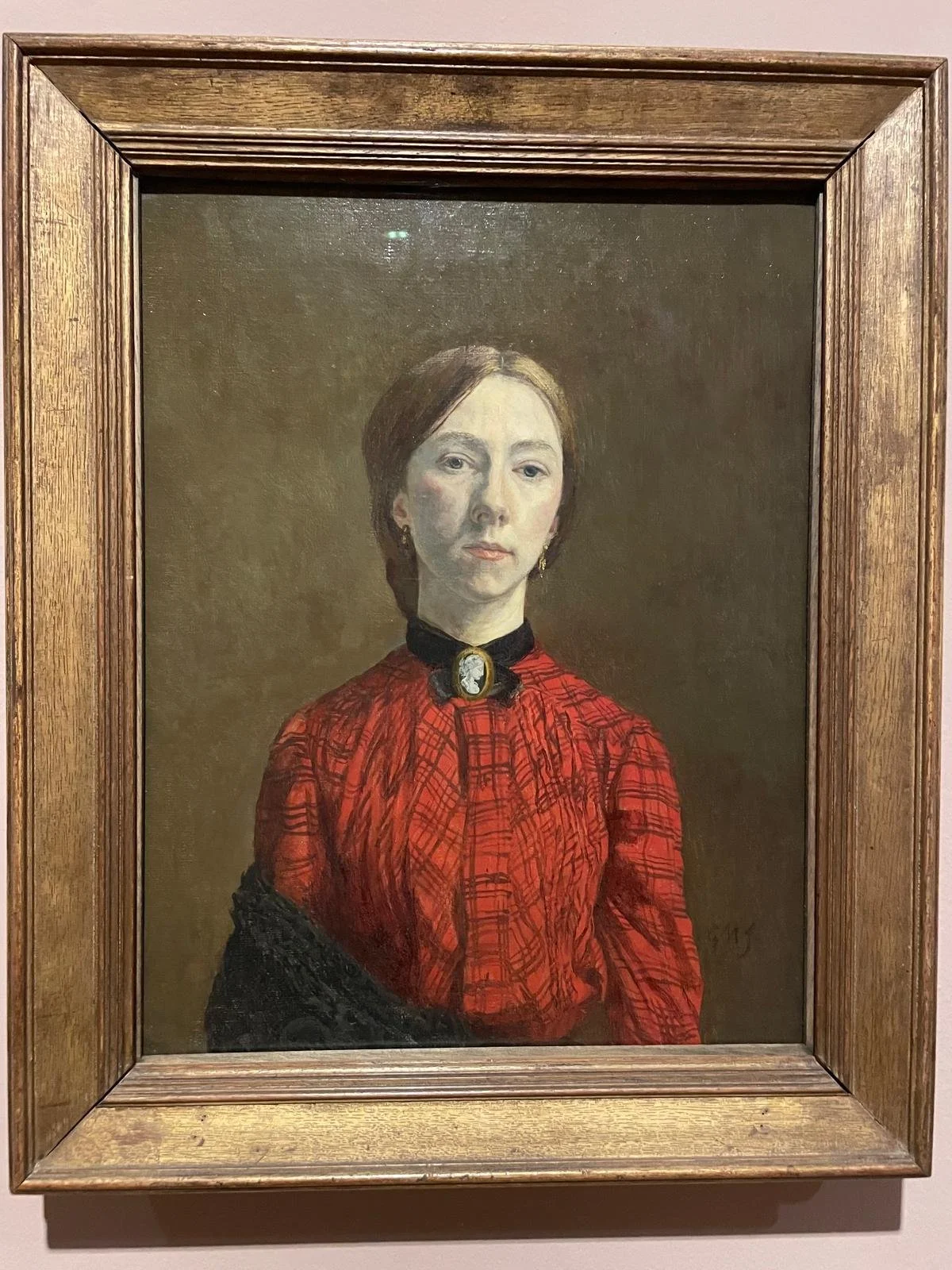
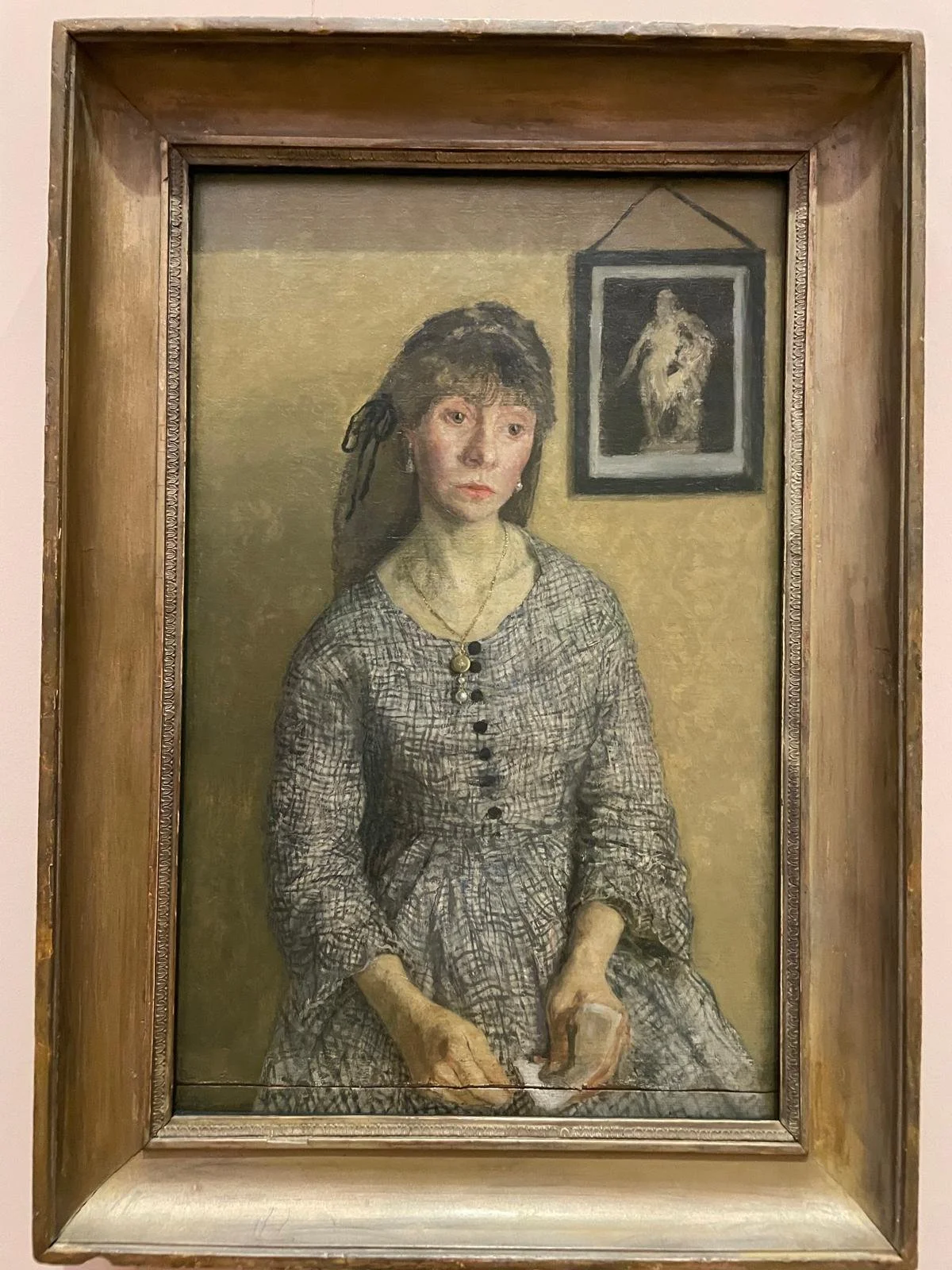
Self Portrait (c. 1902)
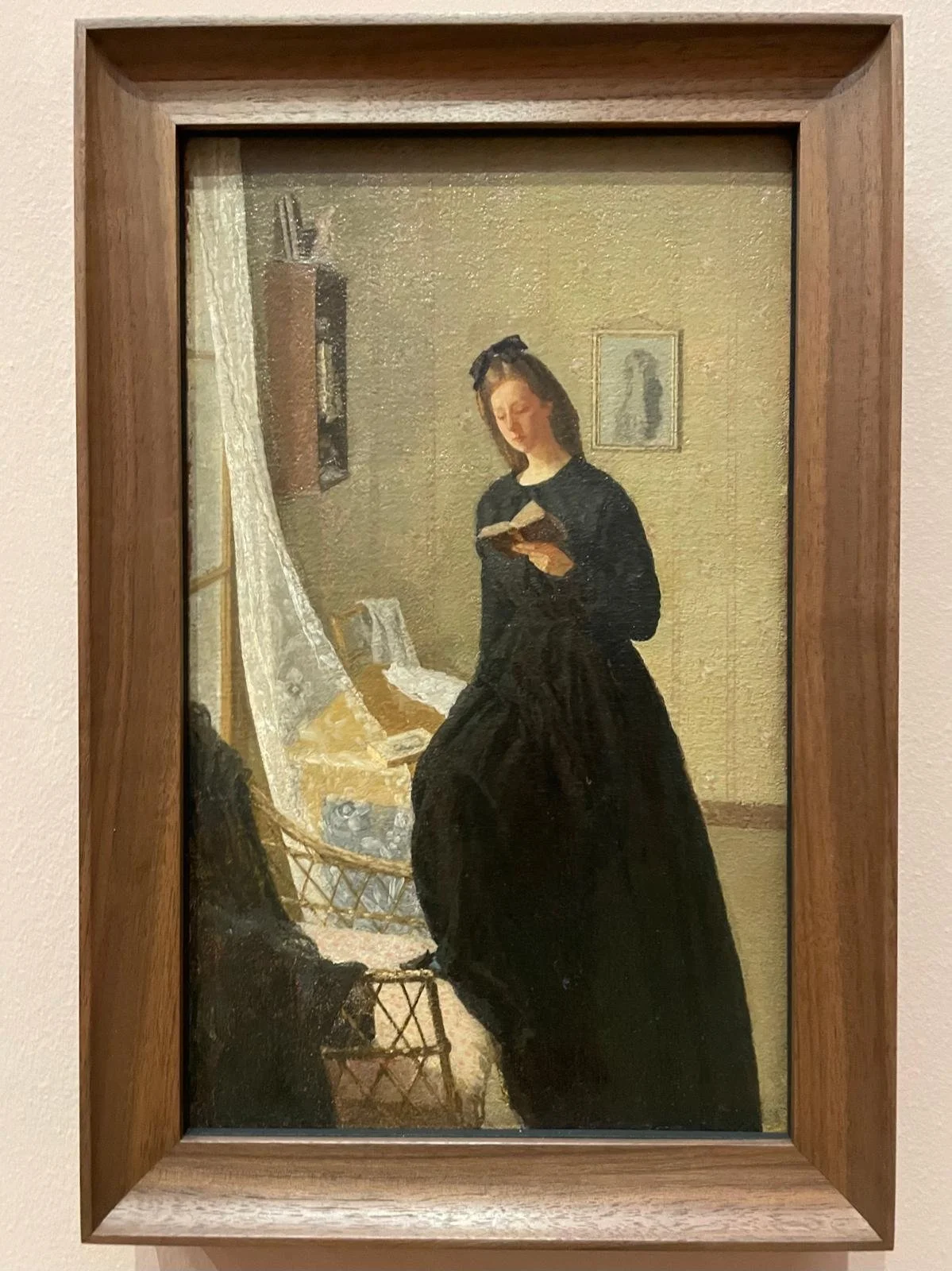
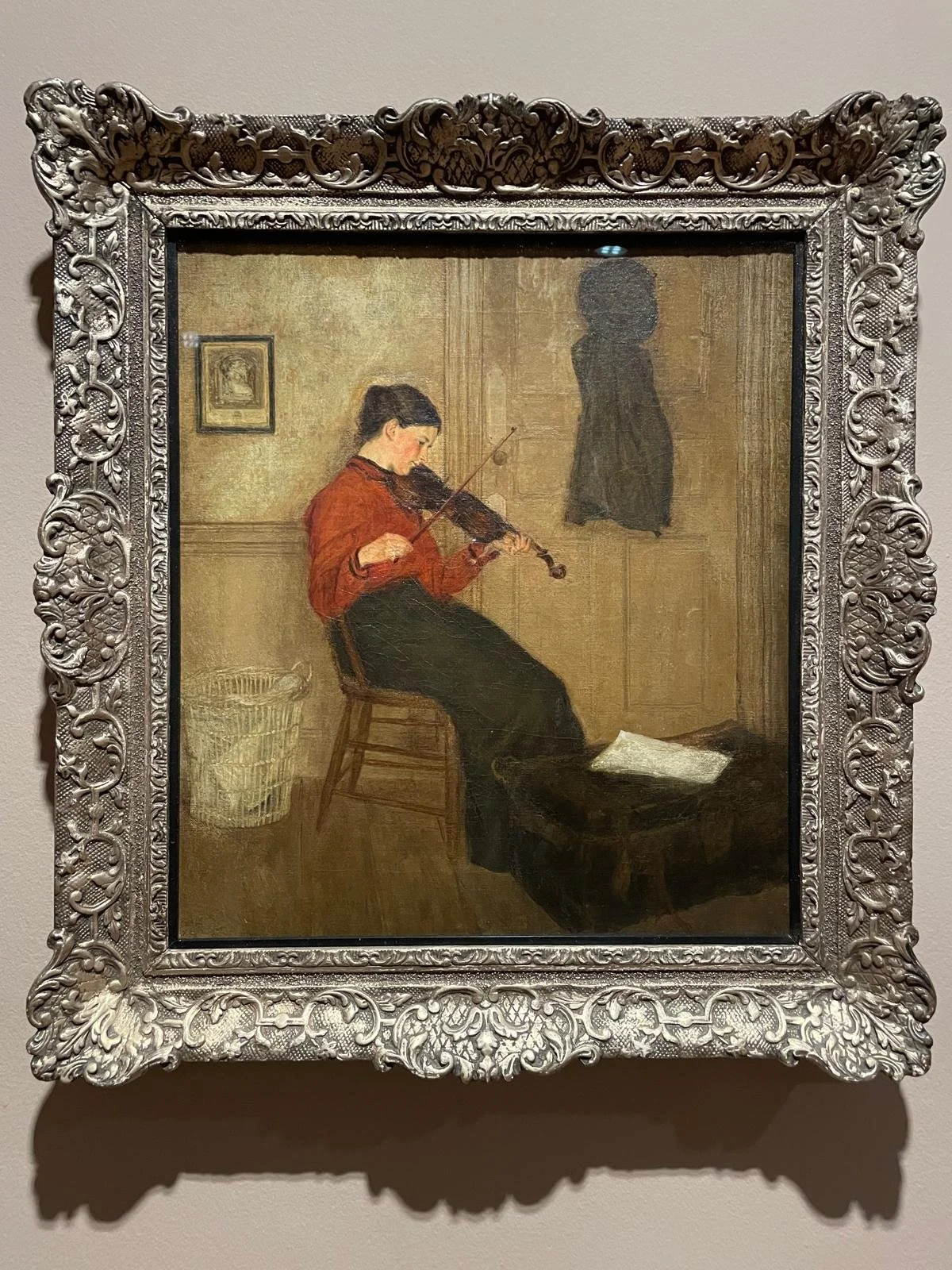
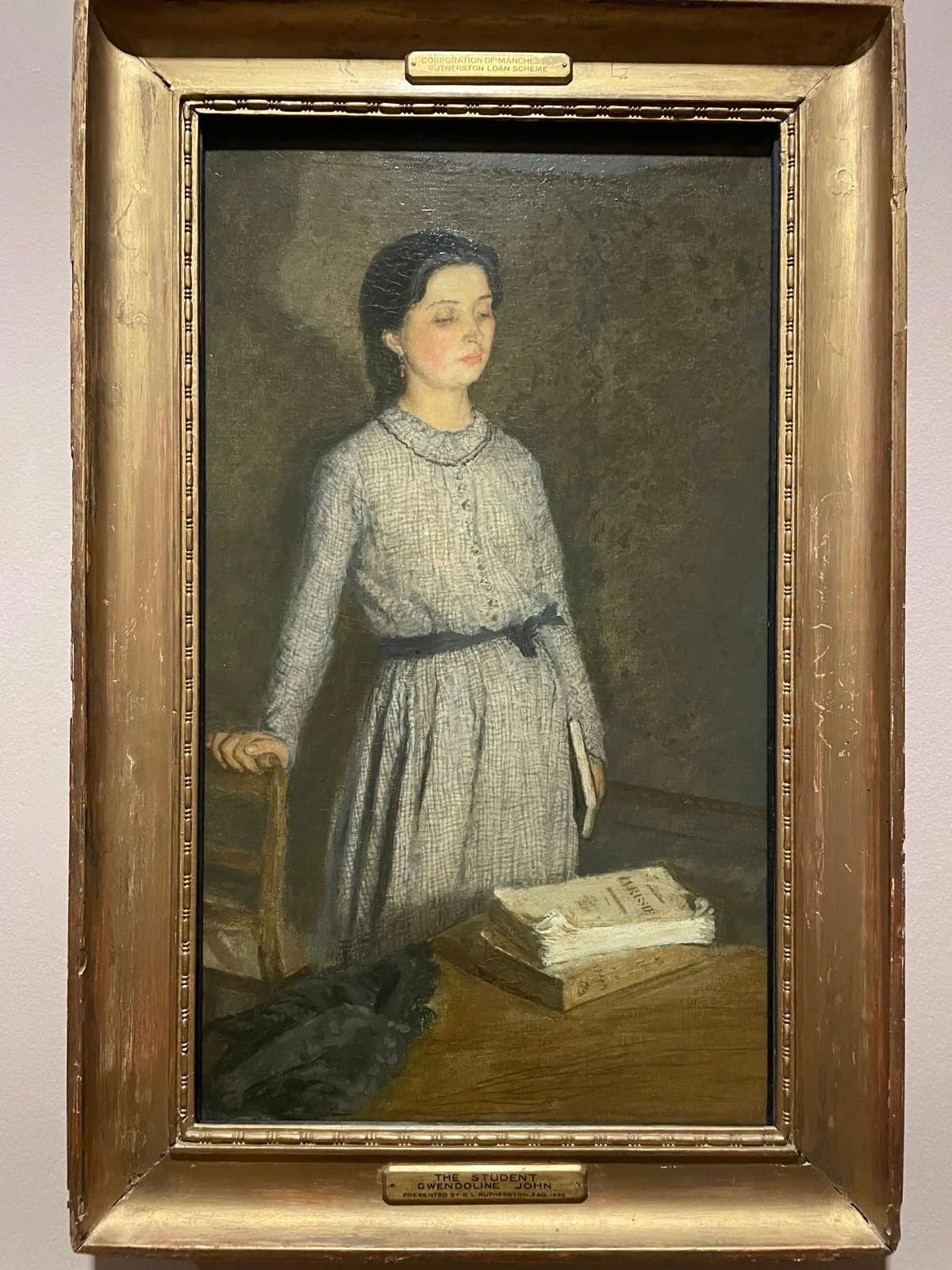
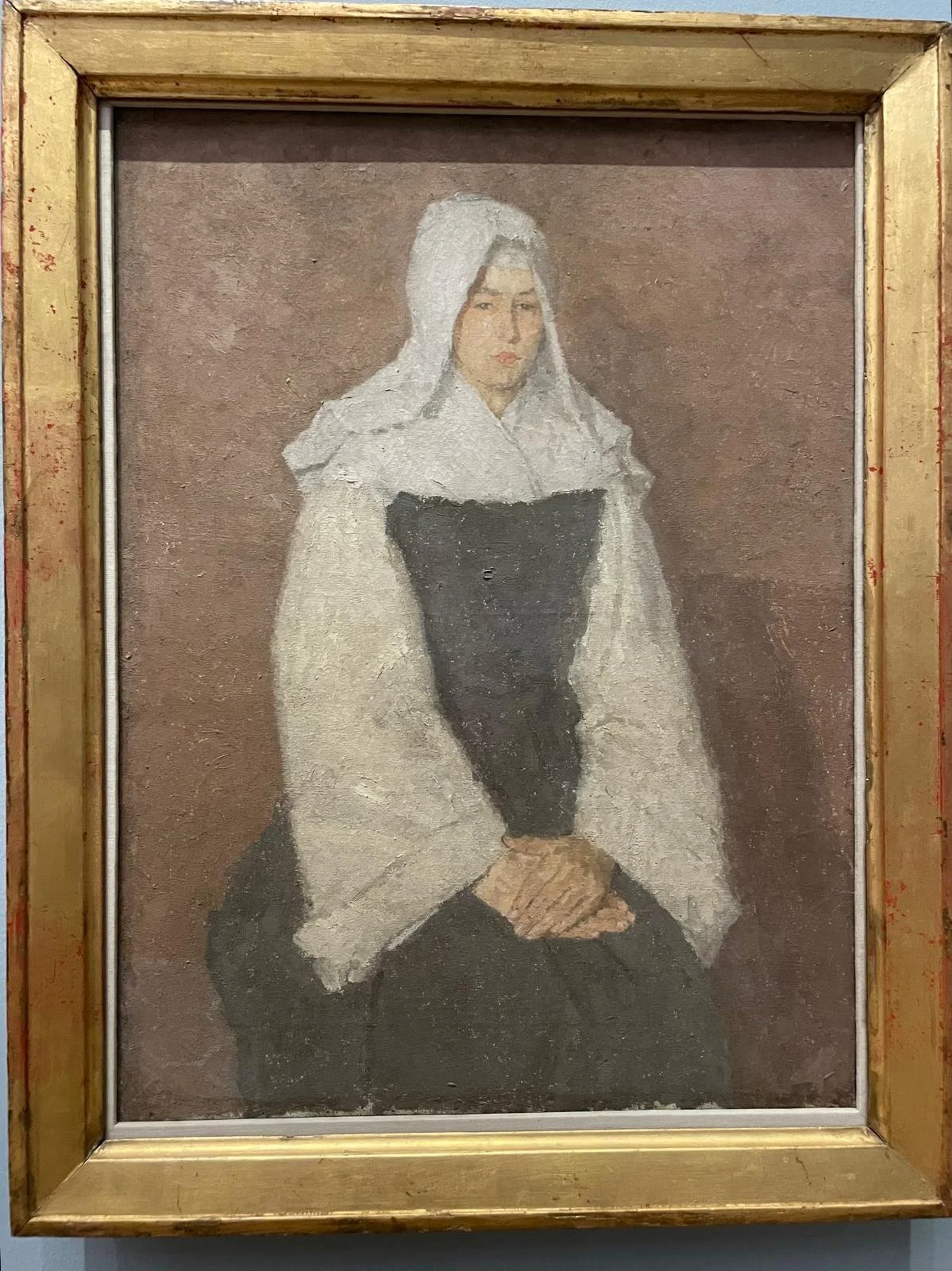
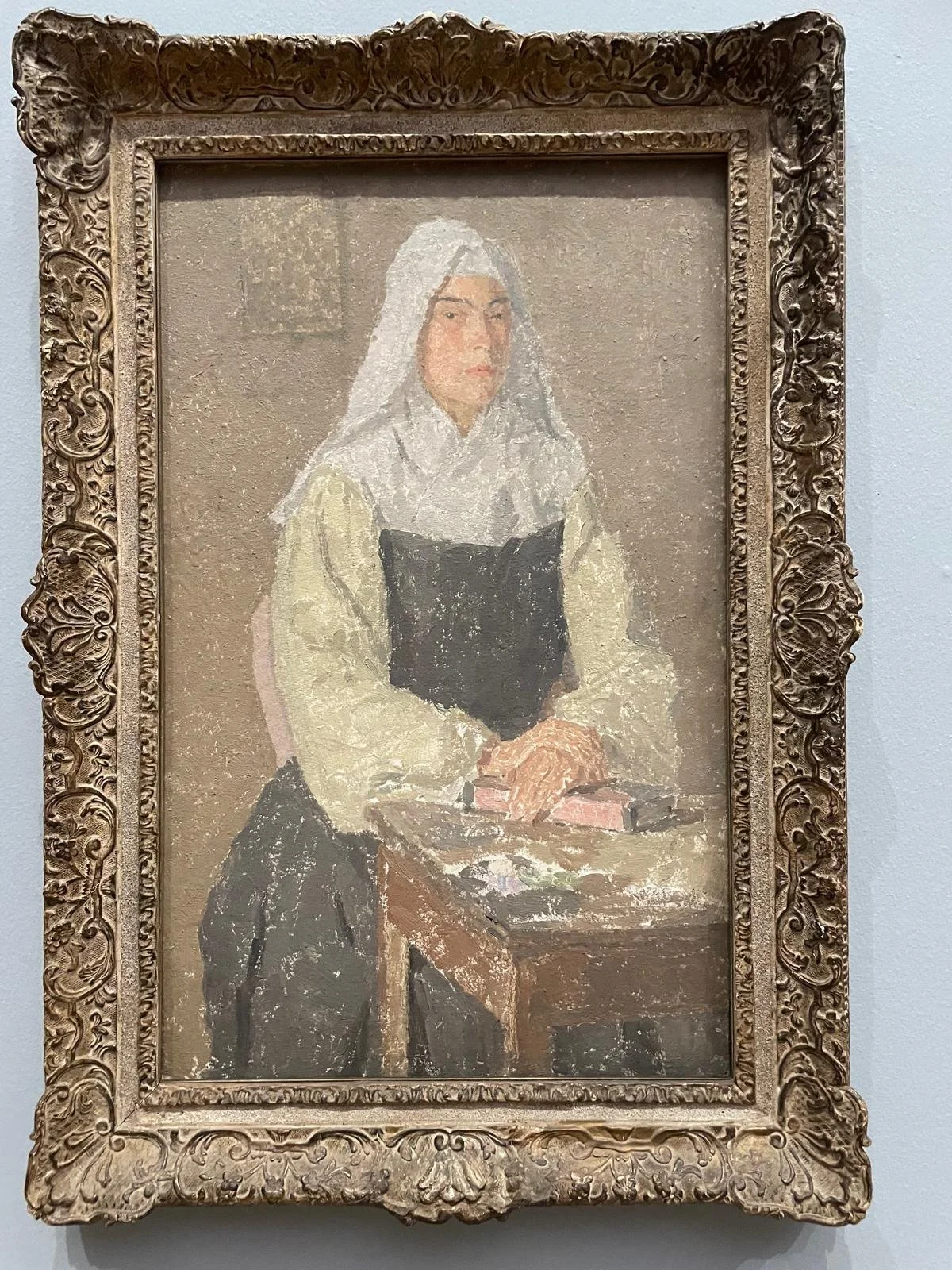
Gwen John described herself as being “God’s little artist: a seer of strange beauties, a teller of harmonies, a diligent worker”. In the creation of her calm paintings, she saw beyond surface appearances and, through the poetic approach which shaped her art, conveyed atmosphere and meaning.
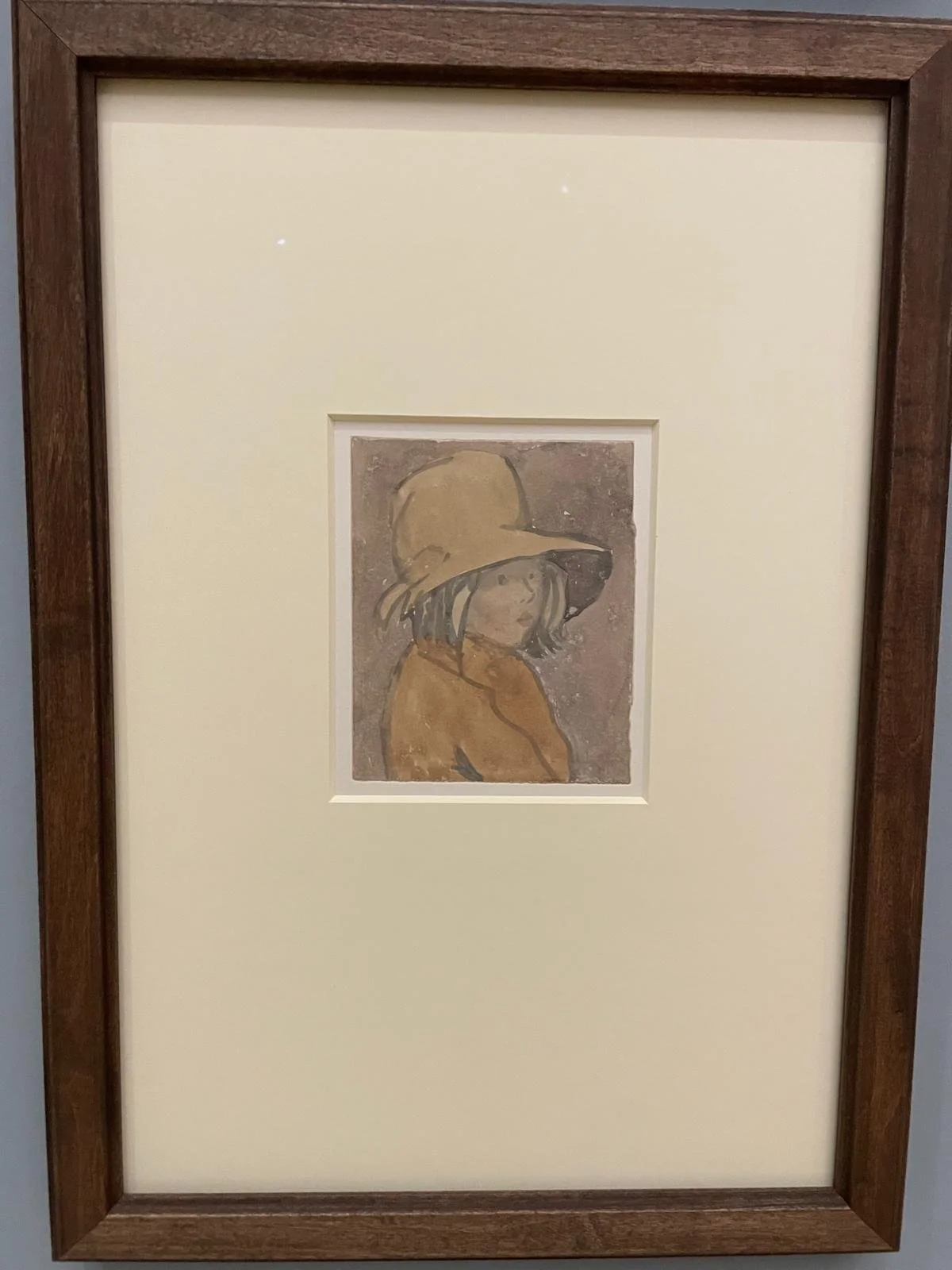
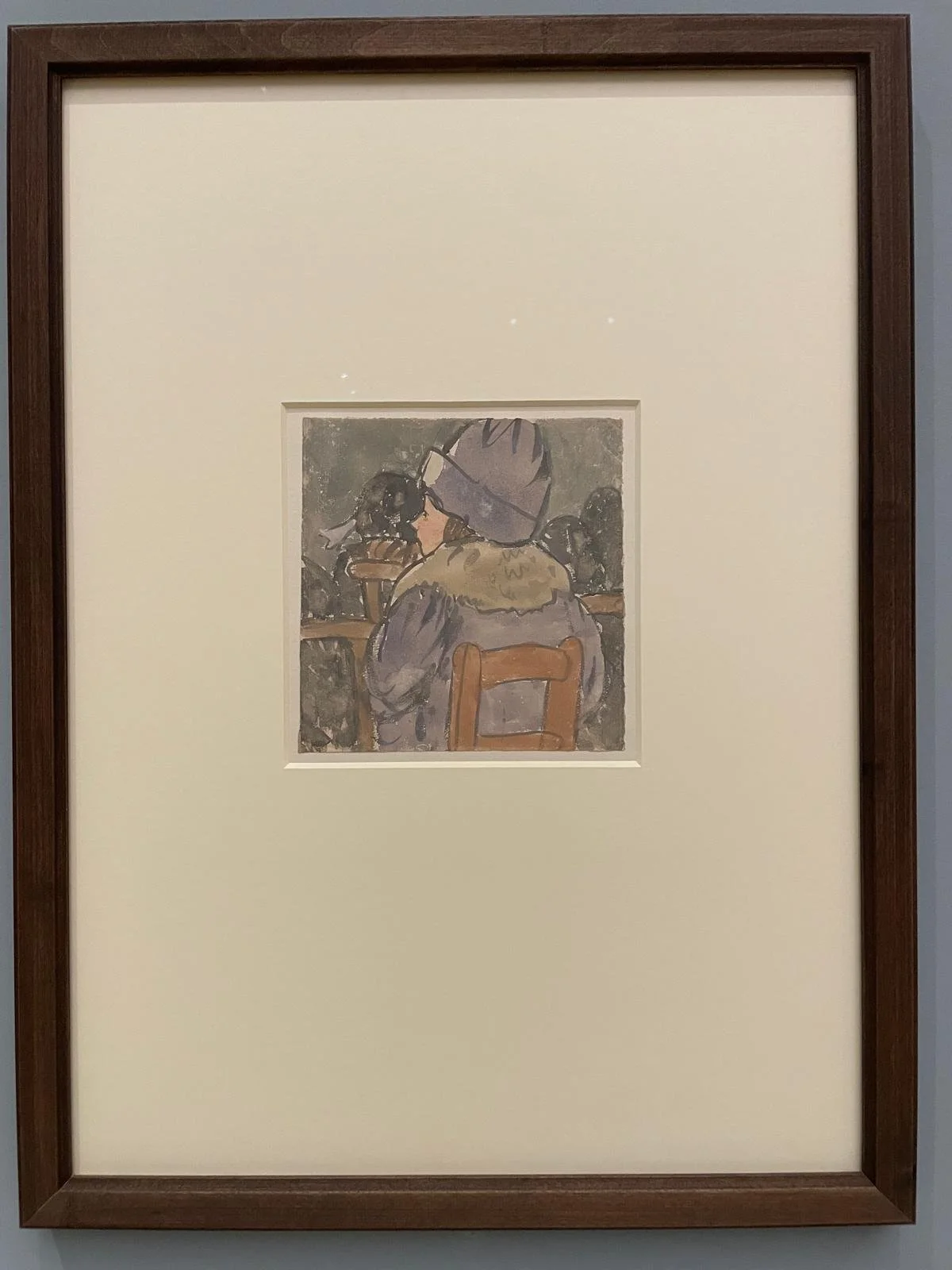
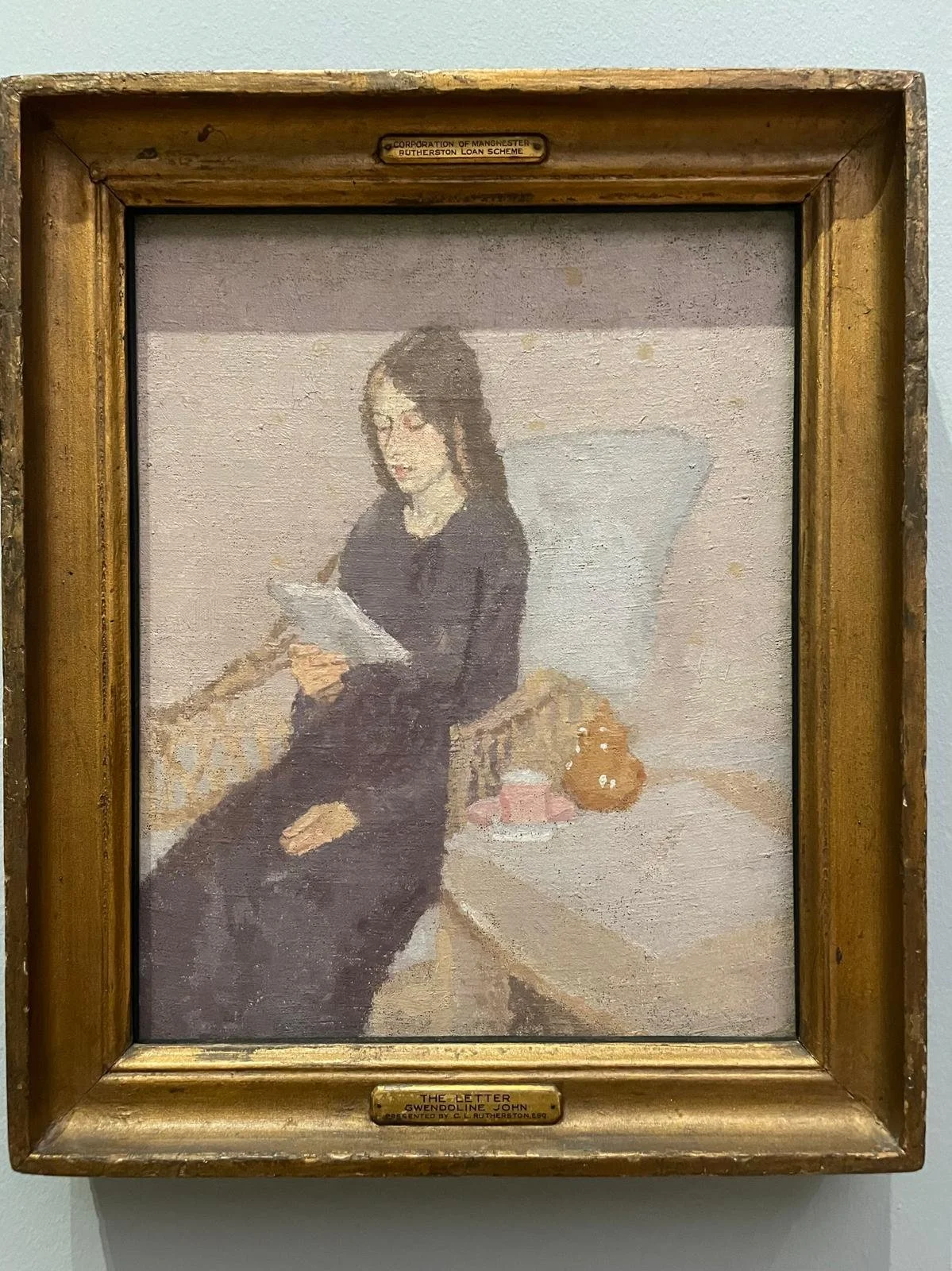
Marking the 150th anniversary of Gwen John’s birth, this exhibition focuses on John’s attentive way of looking at the world, how she pushed the boundaries of figurative painting towards abstraction, her reinterpretations of the same subjects, the development of her precise techniques in line drawing and her highly distinctive and expressive use of tonal painting.
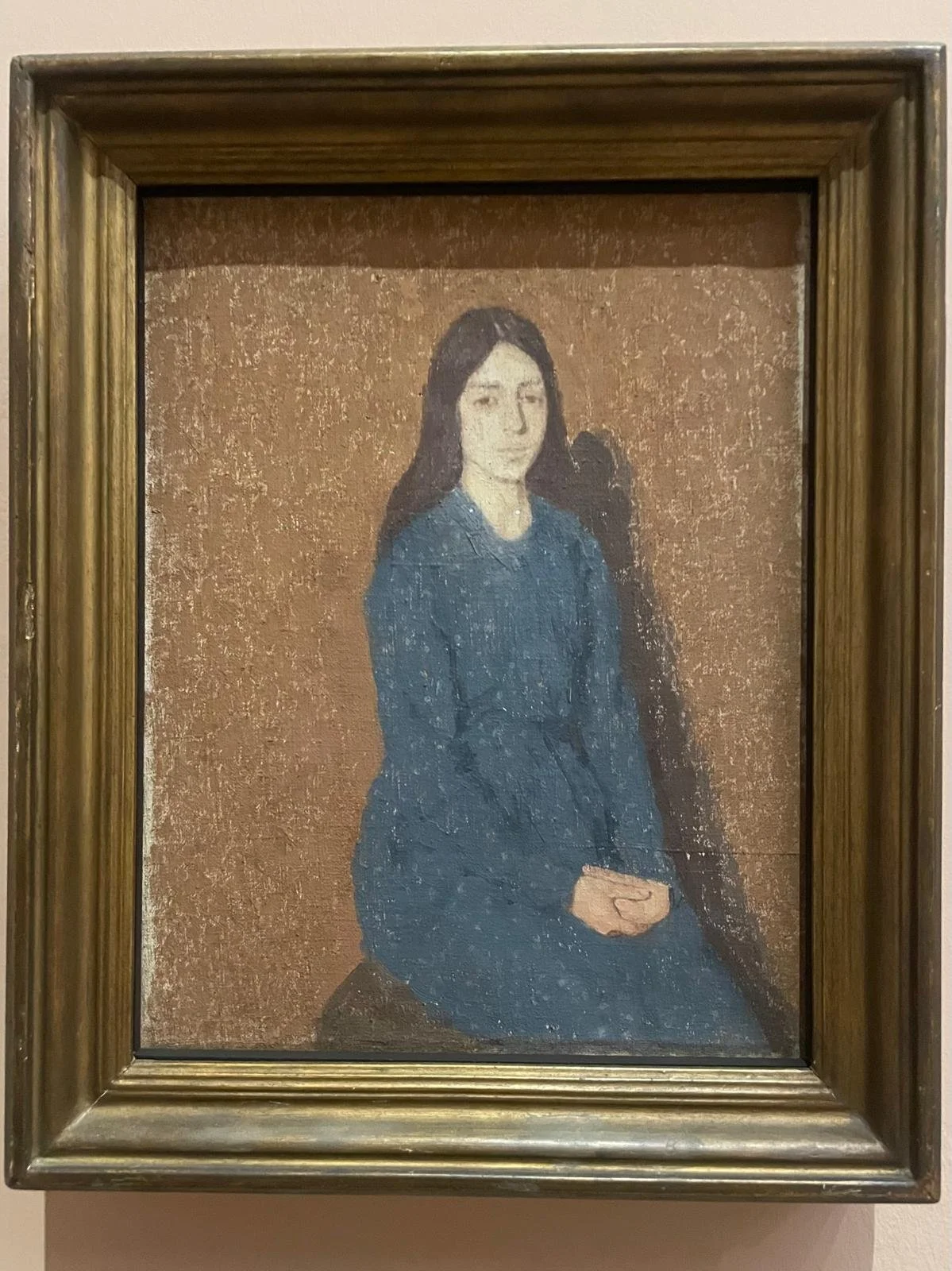
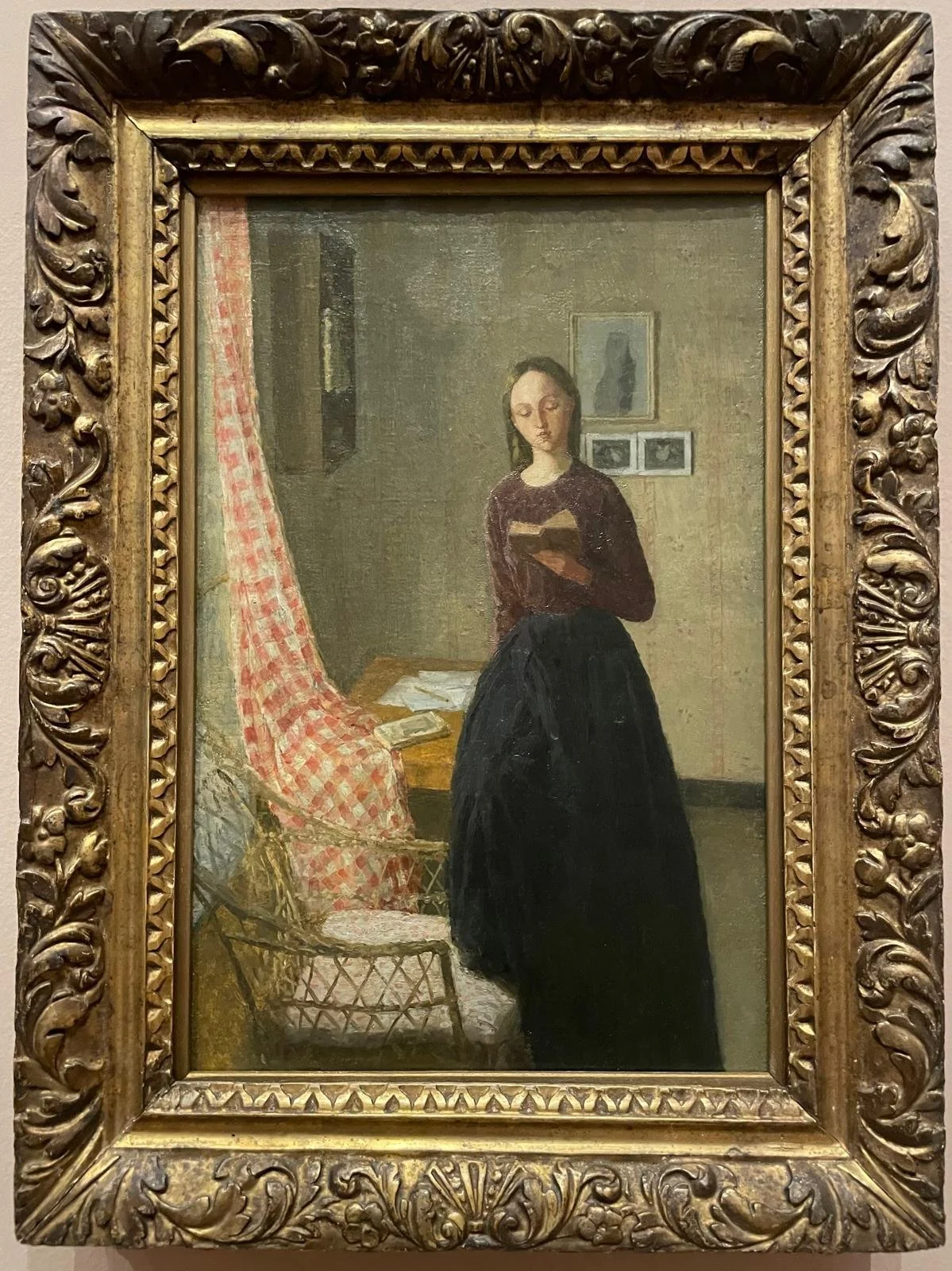
Gwen restricted the subject matter of her art to her immediate surroundings and as such her work is narrow in range. She was a perfectionist who made subtle variations on a few favourite themes, the chief of which was the single female figure alone in an isolated setting. The sitters are typically shown as quiet and self-absorbed with the figures arranged to form compact shapes creating an impression of self-containment. Gwen John’s images of women have a highly personal dimension whilst reflecting the influence of previous artists, especially the 17th century Dutch Old Masters such as Vermeer. Her talent for conveying character is evident in her self-portraits, of which she drew and painted many and in which she often appears confident and strong-willed. Indeed, she was fiercely passionate about her art and highly unusual as a woman of her time who lived independently.
Born in Wales and died in Dieppe, Gwen John (1876-1939) was left motherless at an early age, cared for by her Salvationist aunts until her father moved the family to Tenby, where she and her brother Augustus were given freedom and inspired to sketch the sea and landscape. Although Gwen John had originally been inspired by the sea and the Pembrokeshire coast, it was in portraiture that her great strength lay. This interest began at the Slade School of Art in London, one of the first British art schools to admit women, where she received a good training in figure drawing from 1895 until 1898. After classes she would draw her friends; she was essentially a painter of women as she rarely drew or painted men.
In 1898, Gwen John went to Paris to attend J.M. Whistler’s Academie Carmen art school and developed her distinctively muted colouring, based on Whistler’s teaching; he stressed the importance of using closely related colours and tonal values to achieve subtlety and harmony.
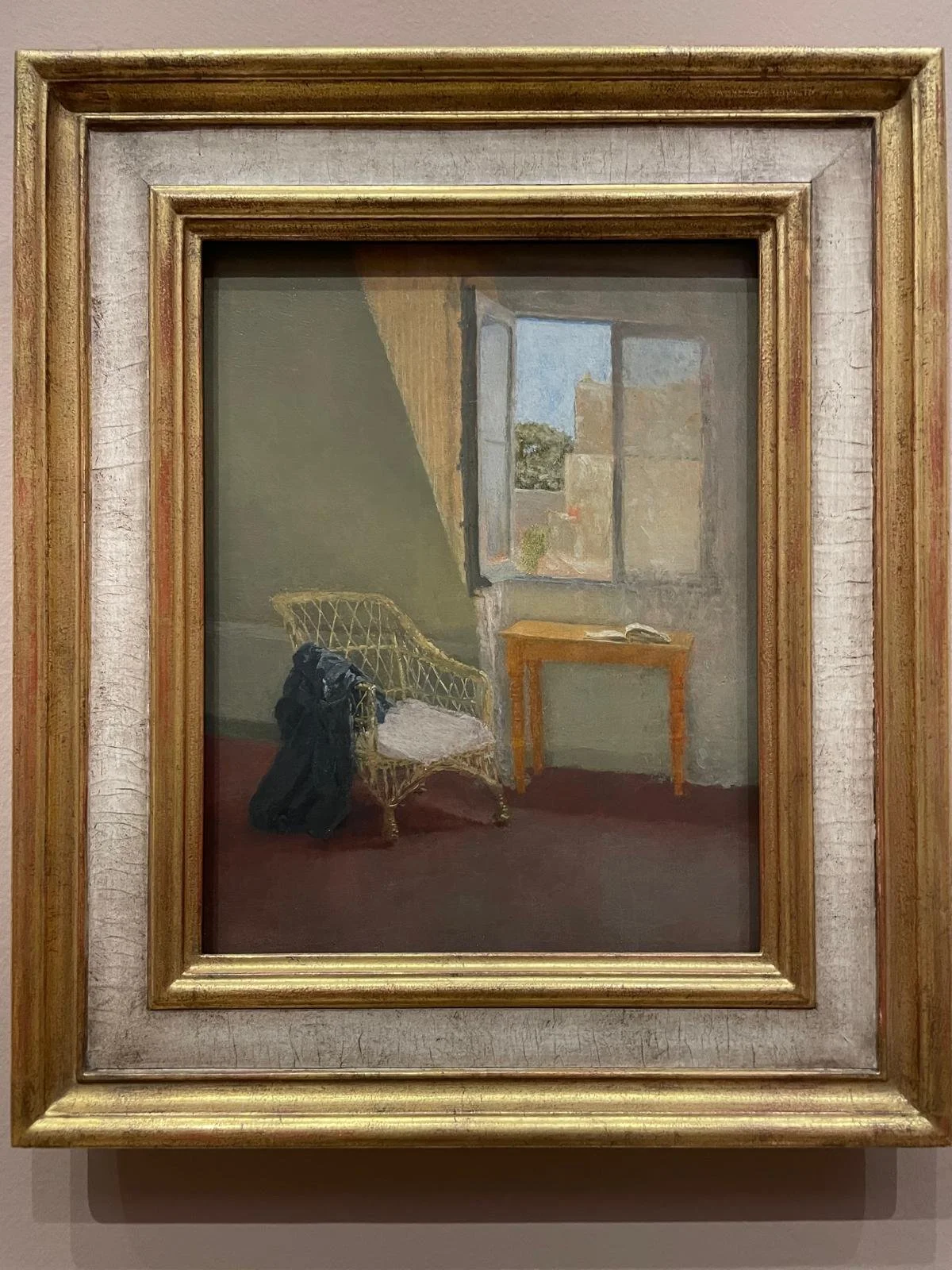
Dorothy “Dorelia” McNeill was Gwen John’s travelling companion to France and later became her sister-in-law when she married Augustus John. In 1903, they planned to walk to Rome together, but only got as far as Toulouse, where they spent 3 months of the winter. After Toulouse, Dorelia and Gwen went to Paris together where they found work as artists’ models and Gwen started posing for Rodin, the most influential sculptor of the 19th century. Her decision to stay in Paris for the rest of her life was reinforced by meeting Rodin; their intense relationship lasted for 13 years, until his death in 1917. After seven years of living an independent, if somewhat reclusive and austere lifestyle in modest attic rooms in Montparnasse, John moved to the Parisian suburb of Meudon in 1911. Here she found inspiration in the Catholic community and converted to Catholicism in 1913.
Despite being admired for her contemplative, subtle yet intense vision of women, Gwen John was overshadowed in her lifetime by her brother Augustus, who nonetheless valued her work above his. However, many of her paintings were purchased during her own lifetime by private collectors, in particular the American lawyer John Quinn, and national museums, such as the Tate, National Museum of Wales and Manchester City Art Galleries.
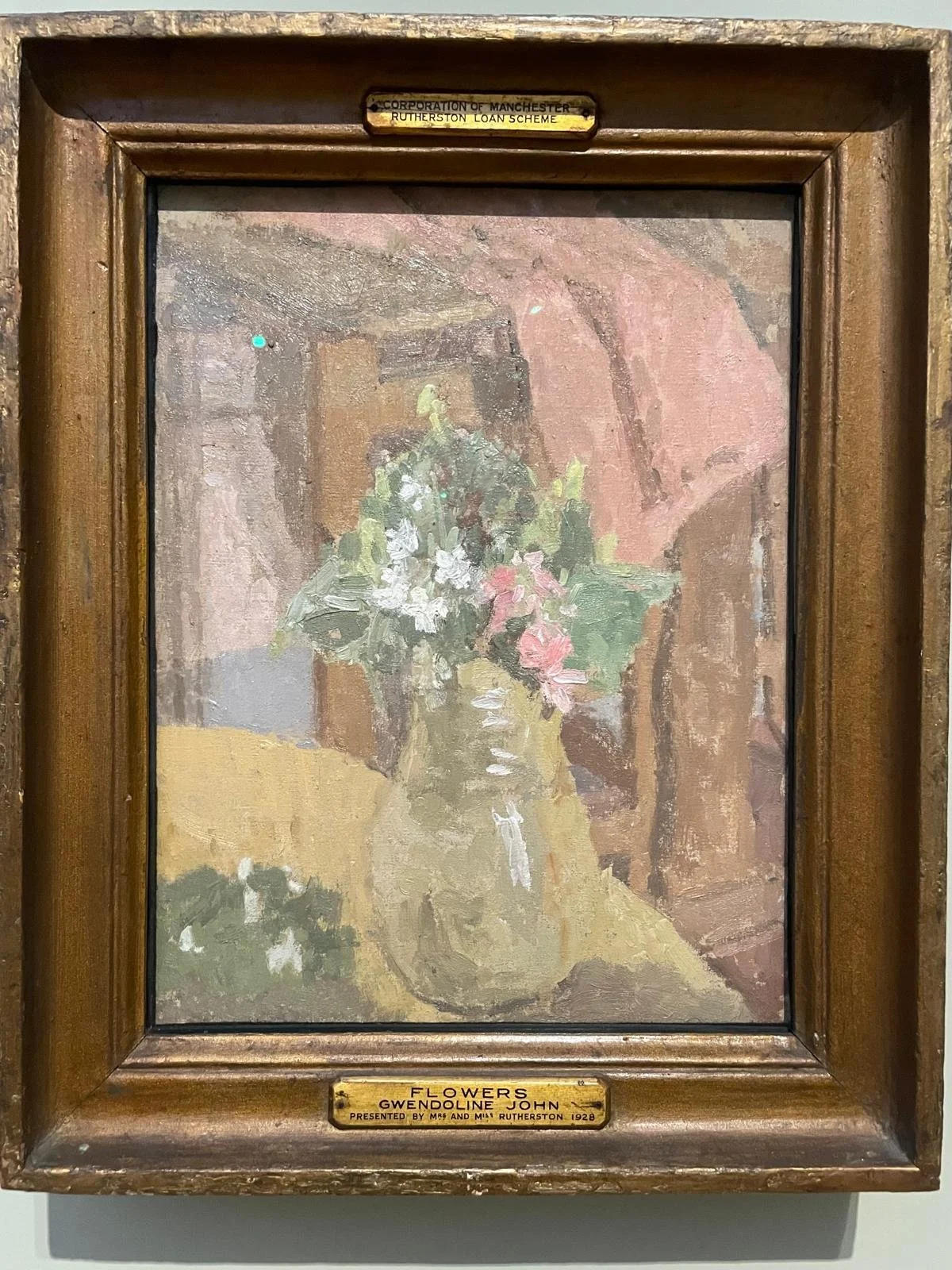
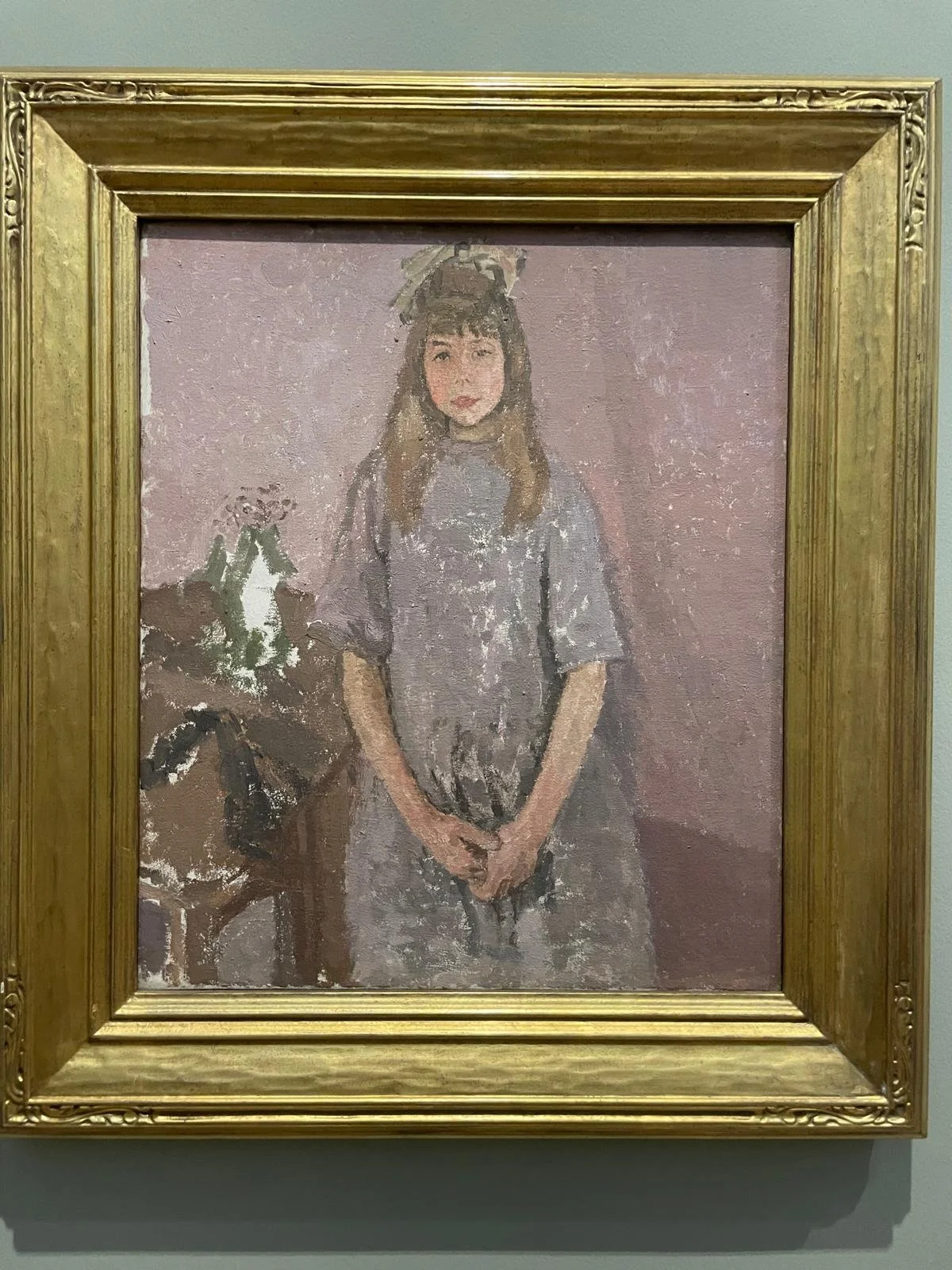
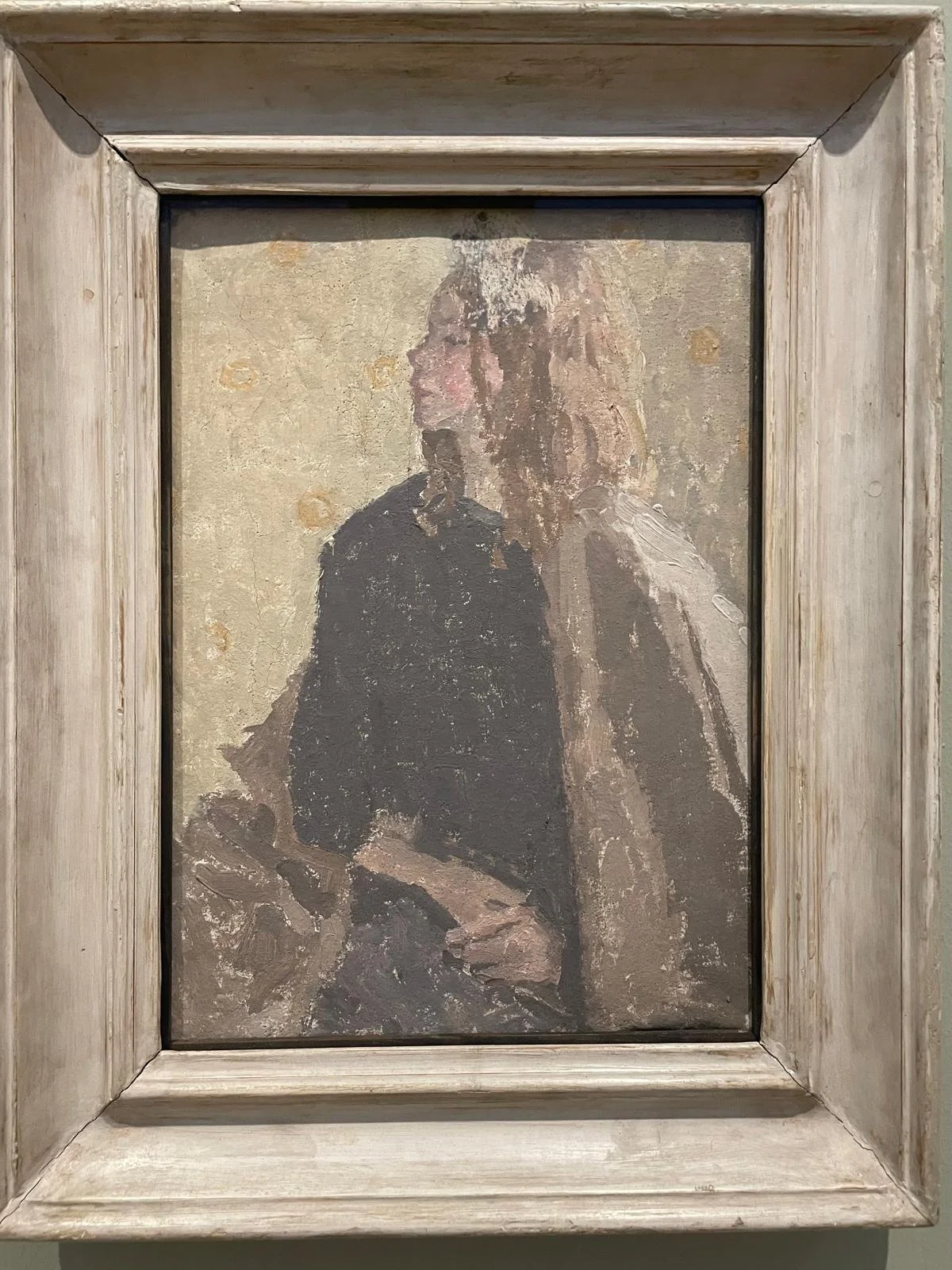
Here’s a selection of photos I took of the artworks in this exhibition, which I hope you enjoy!