
Turner & Constable - Tate Britain
Tate Britain’s Turner and Constable exhibition focuses on the working methods of these two iconic British artists, who were contemporary with each other, and shared a passionate aim to record in paint their vision of the natural world around them.
In true British style they were obsessed with the weather and its effects on the land and seascape, both artists recording the fleeting moments of specific times of day, seasons, weather and lighting. The differences between Turner and Constable, however, were immense in terms of their response and approaches to their art and the reception of them during their lifetimes.
Turner travelled extensively throughout Britain and Europe sketching and painting scenes continuously. Constable never left England, despite being awarded a gold medal for his masterpiece ‘The Haywain’ when it was exhibited at the Salon in Paris.
Turner included references to literature, classical mythology and history in his paintings, which added an academic aspect to his work. Constable remained faithful to recreating his vision of the English countryside, especially the scenes of his “careless boyhood”.
Both artists spent day after day studying, observing and sketching directly from nature in the open air.
This exhibition encourages the visitor to choose their favourite of the two artists; in my opinion they were both ahead of their time, especially when considering the French Impressionists of the decades after Turner and Constable, who in many ways continued the British artists’ passion for capturing the variations in light and weather effects at particular moments in time and studying directly from nature.
Do you have a preference for Turner or for Constable?
Here’s a selection of paintings from the exhibition by each artist to help you decide…
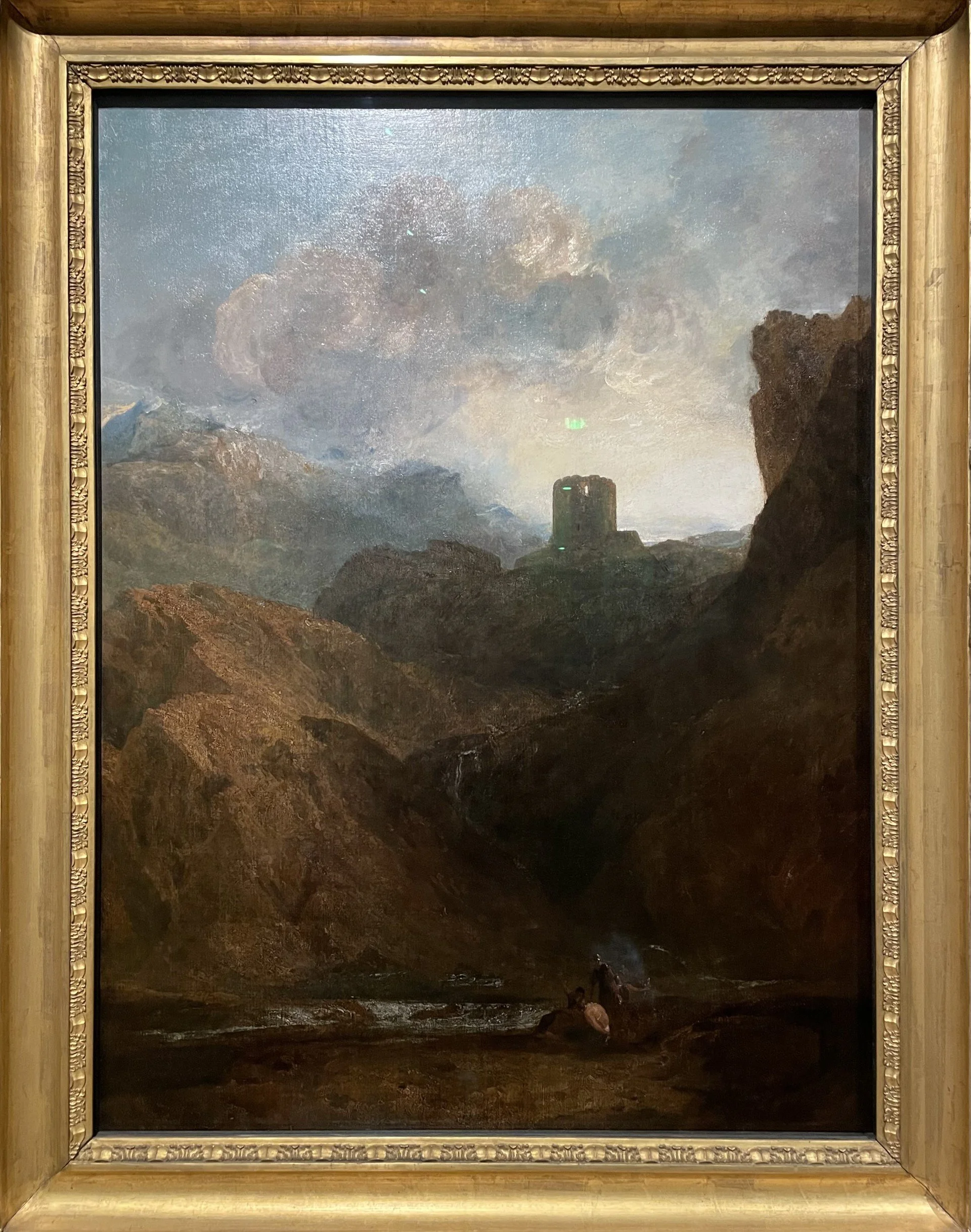
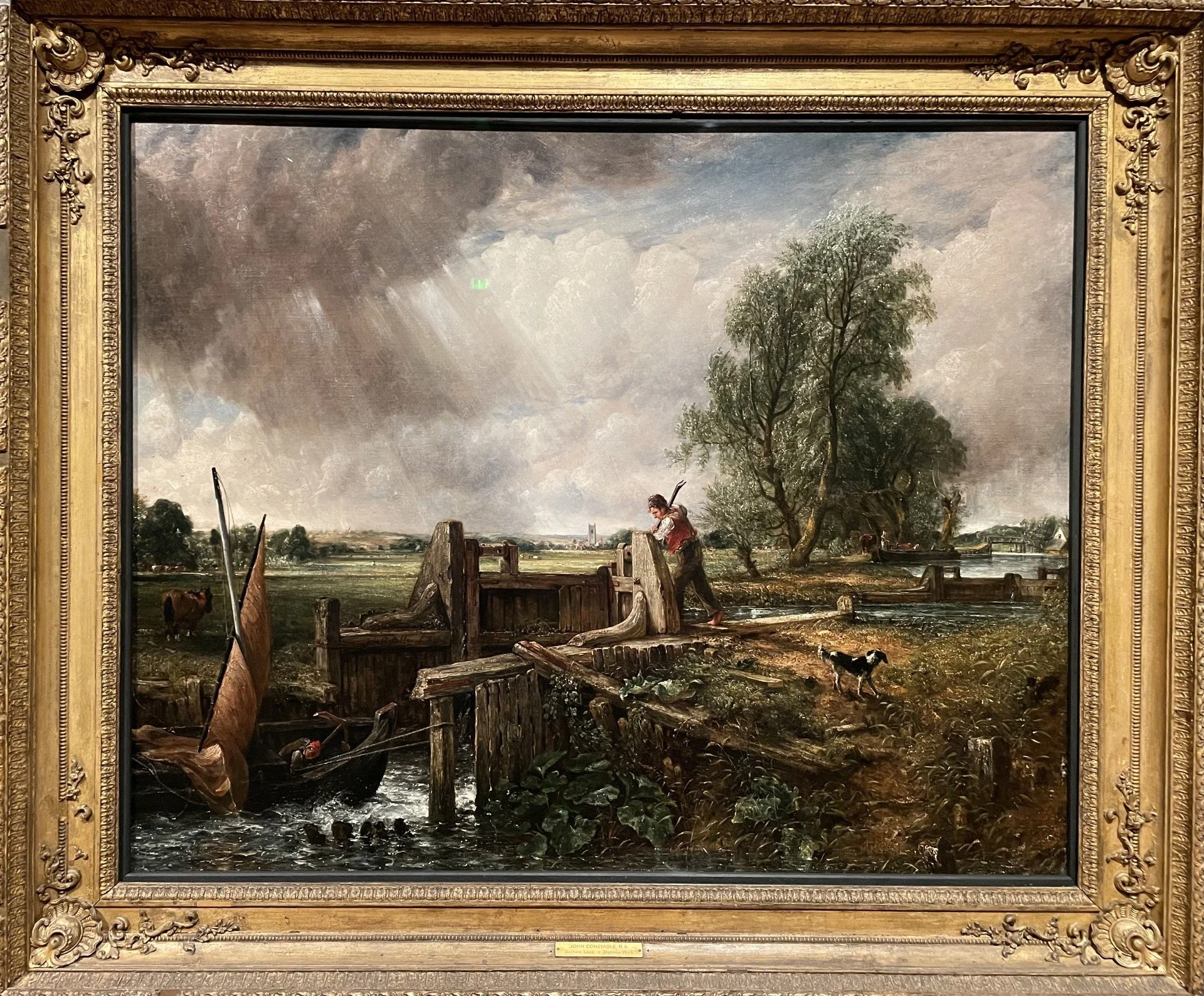
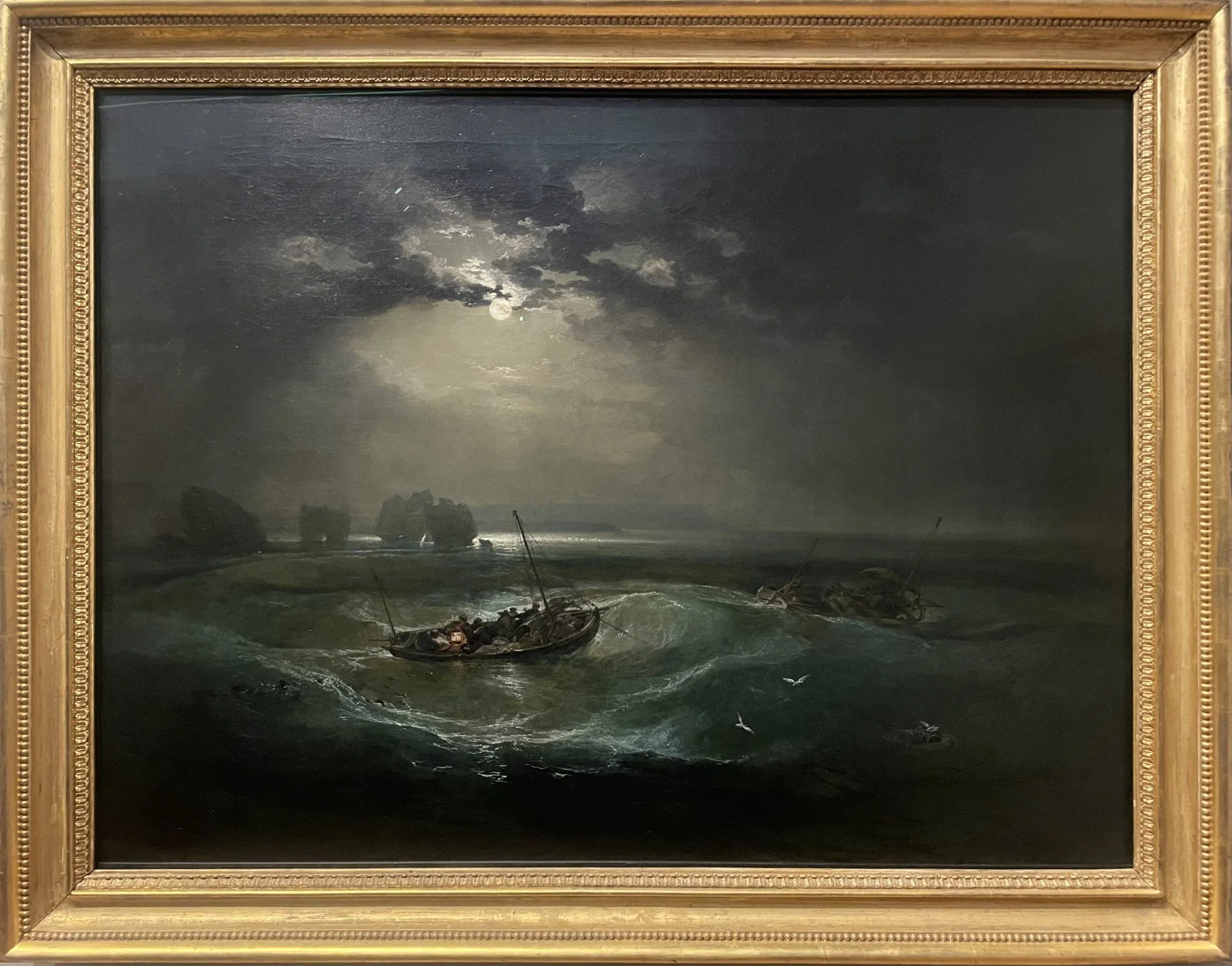
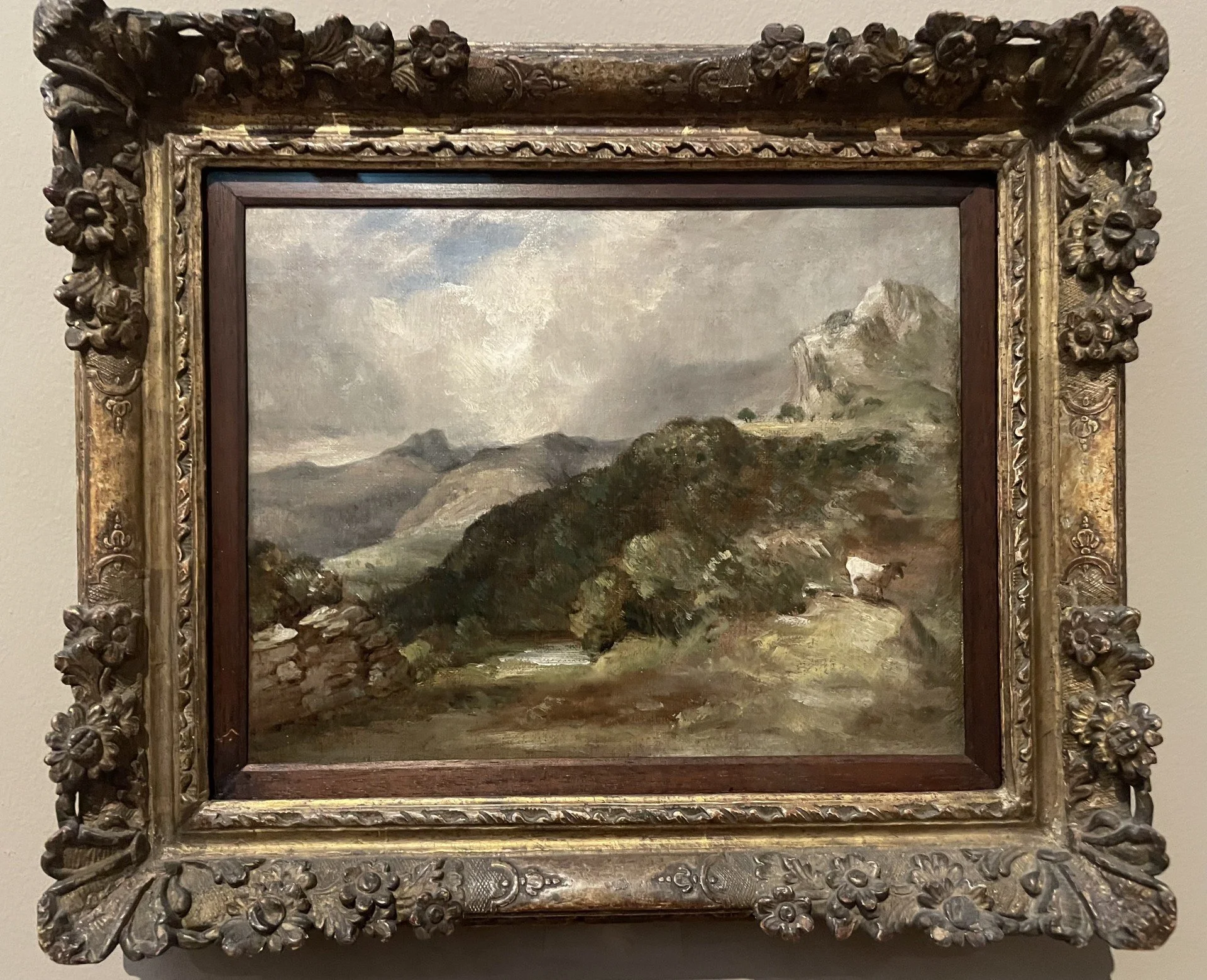
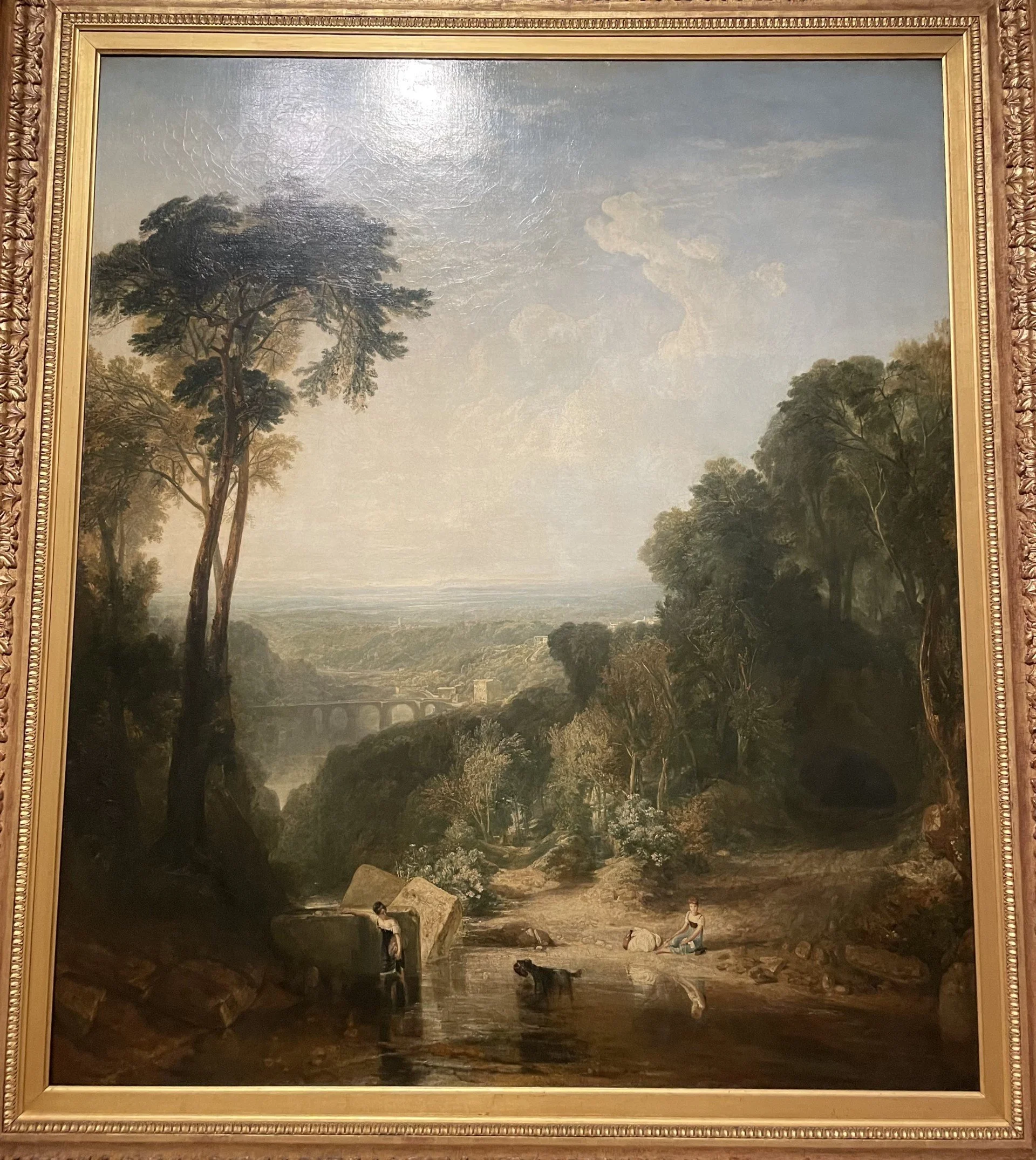
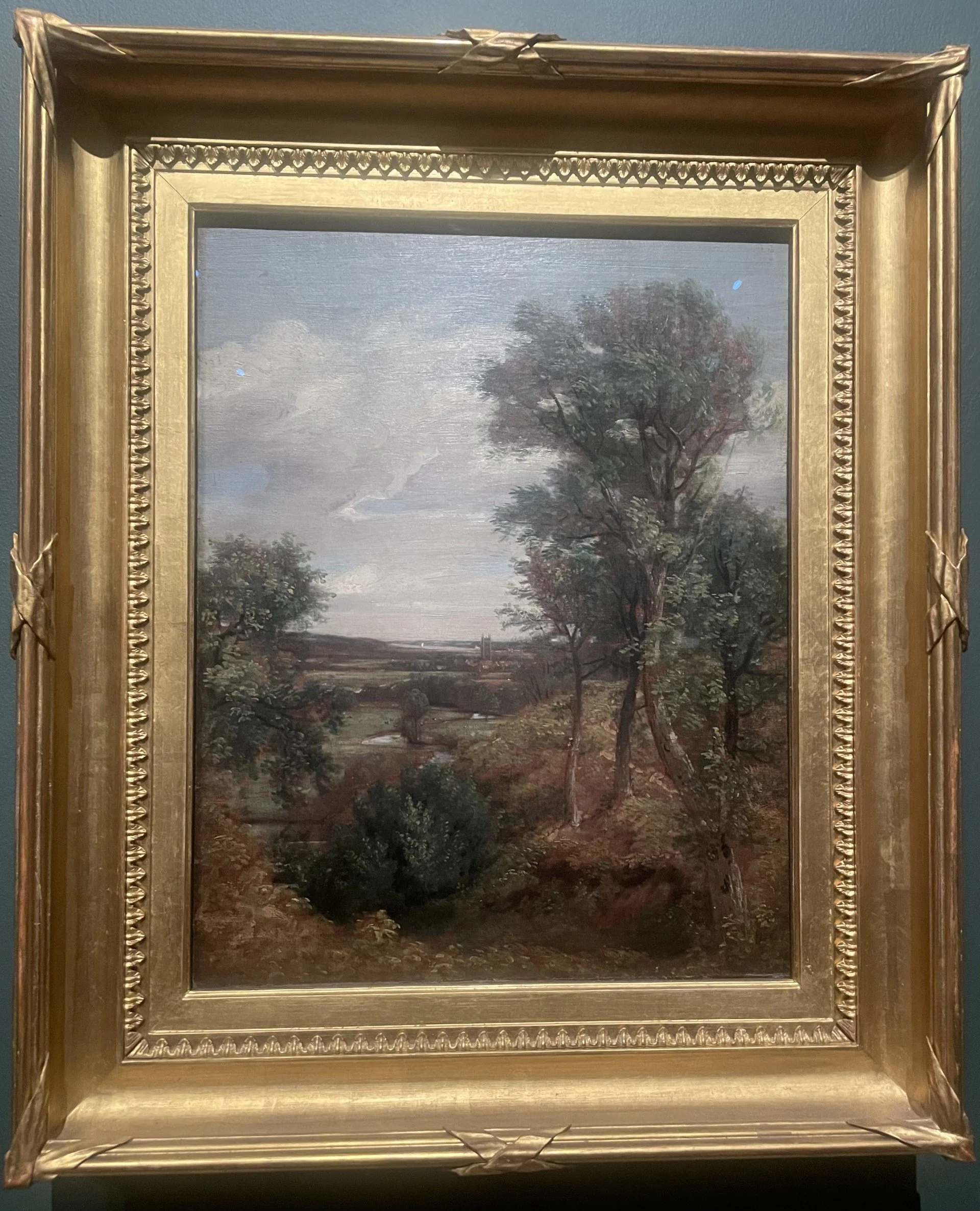
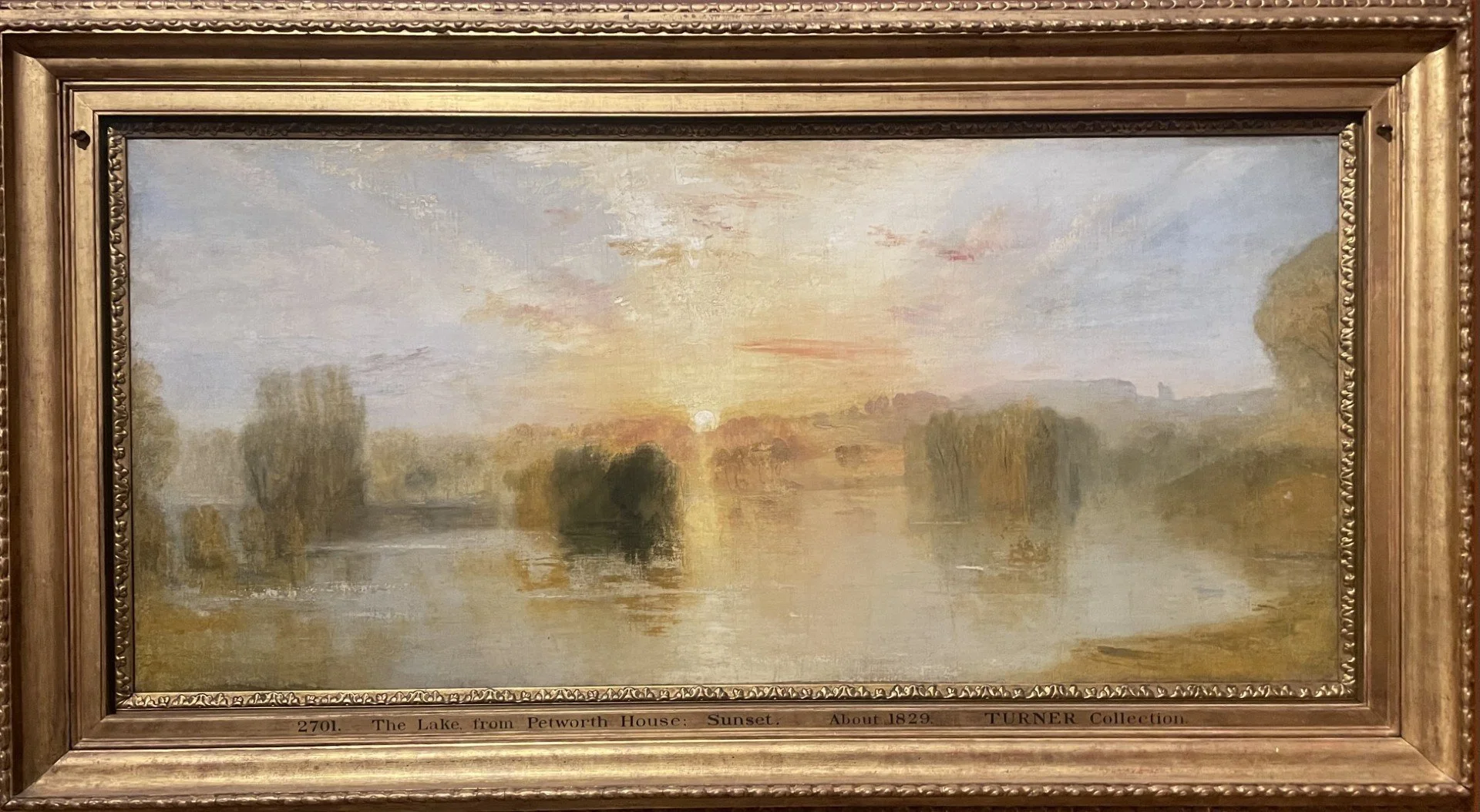
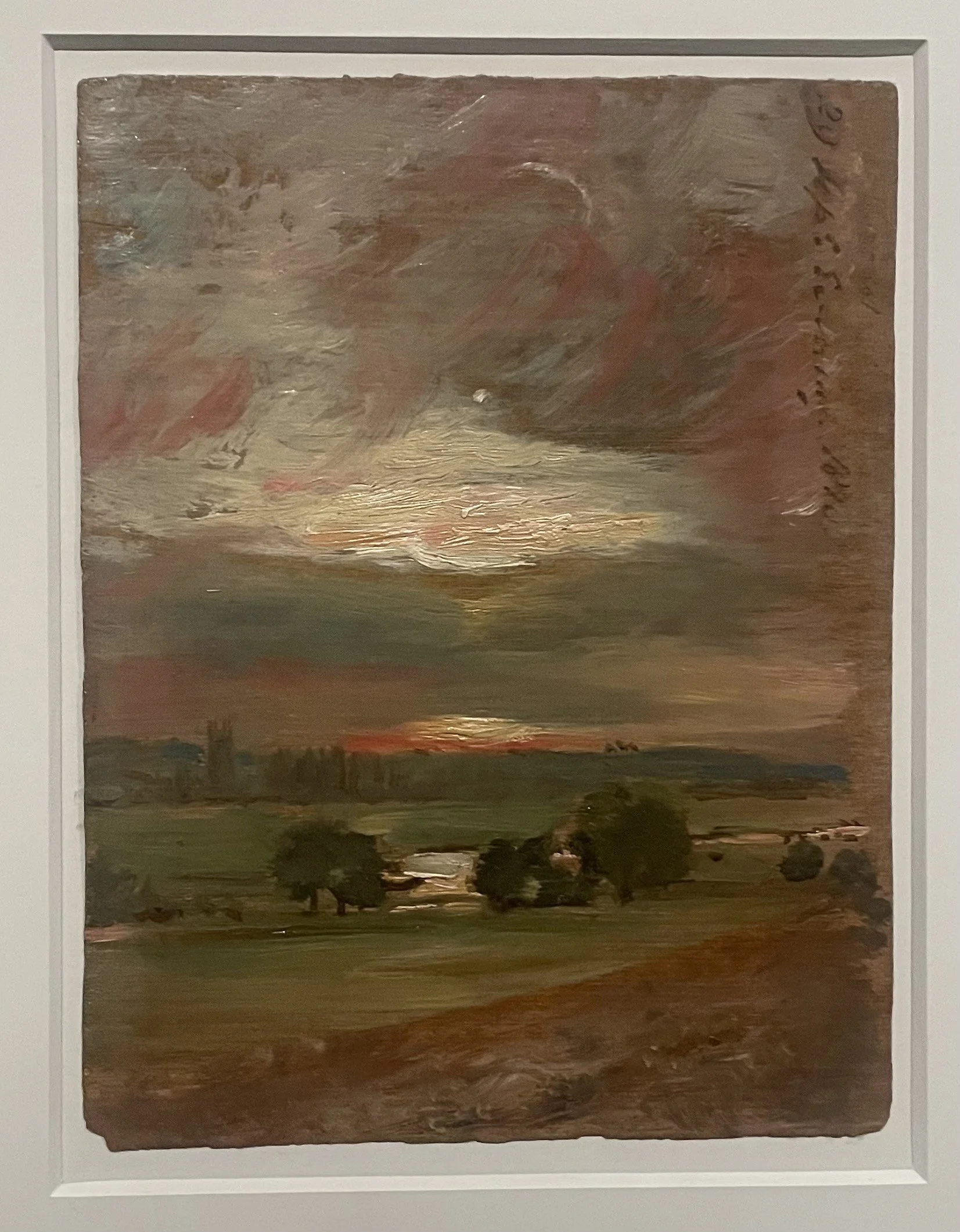
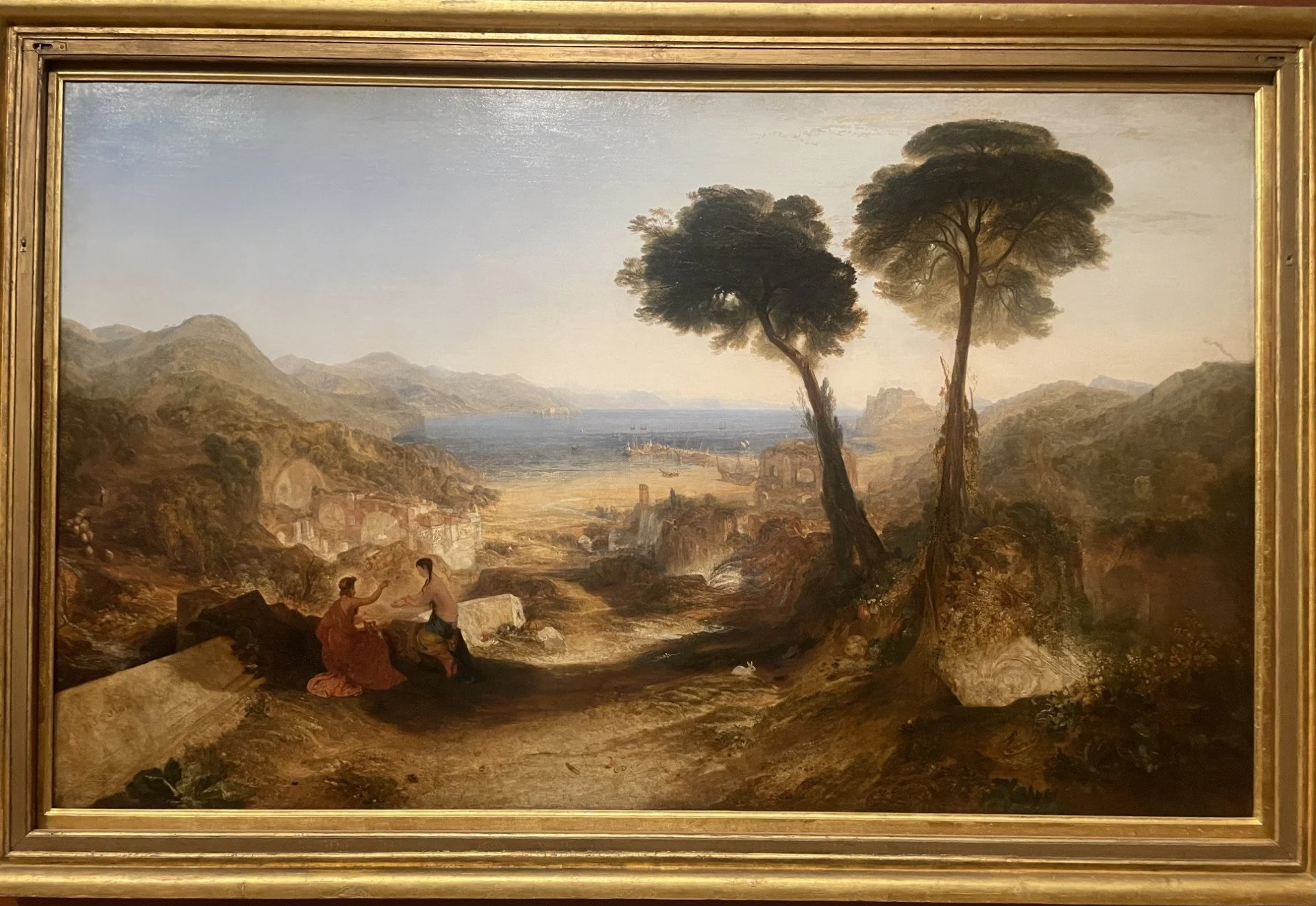
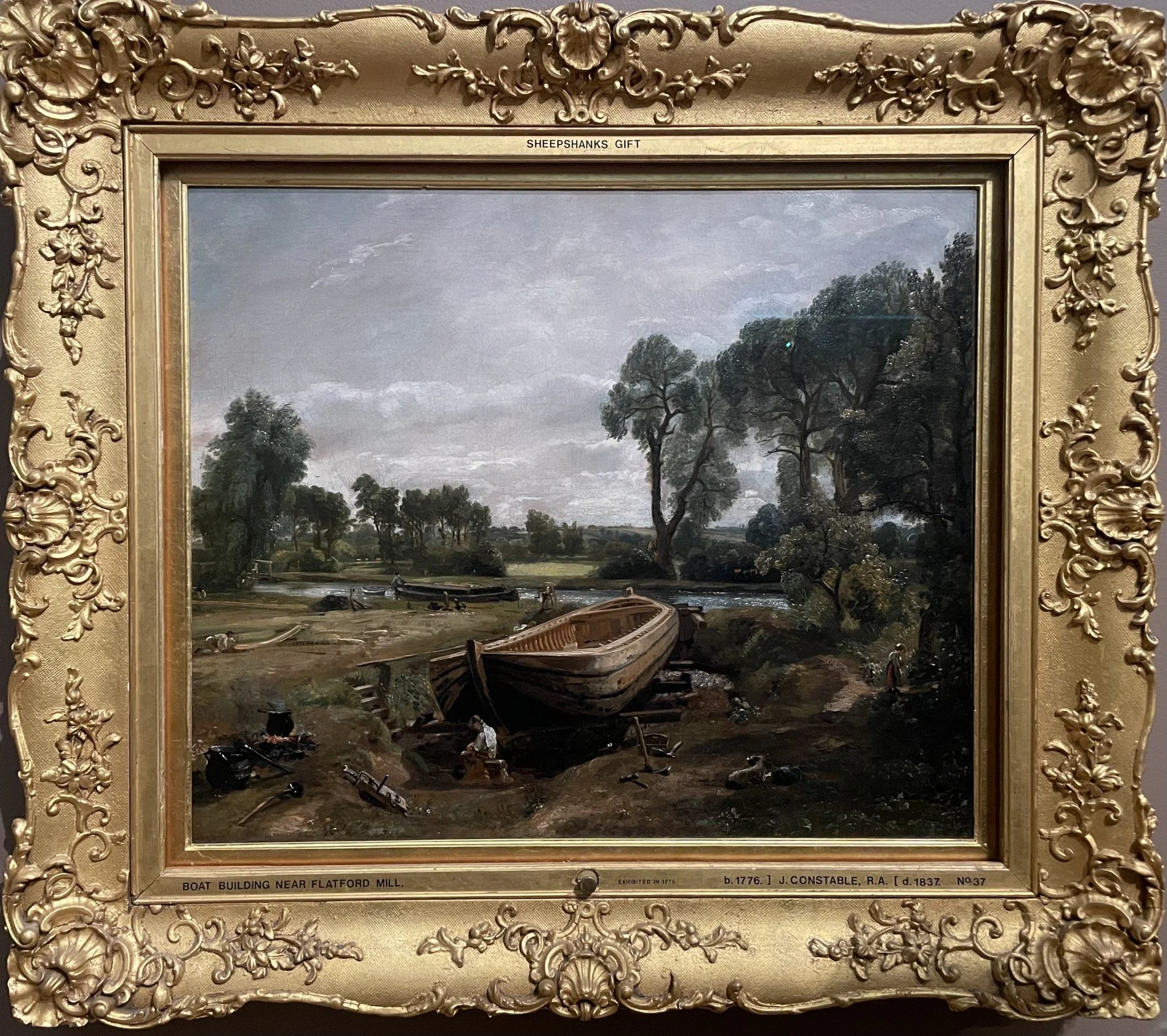
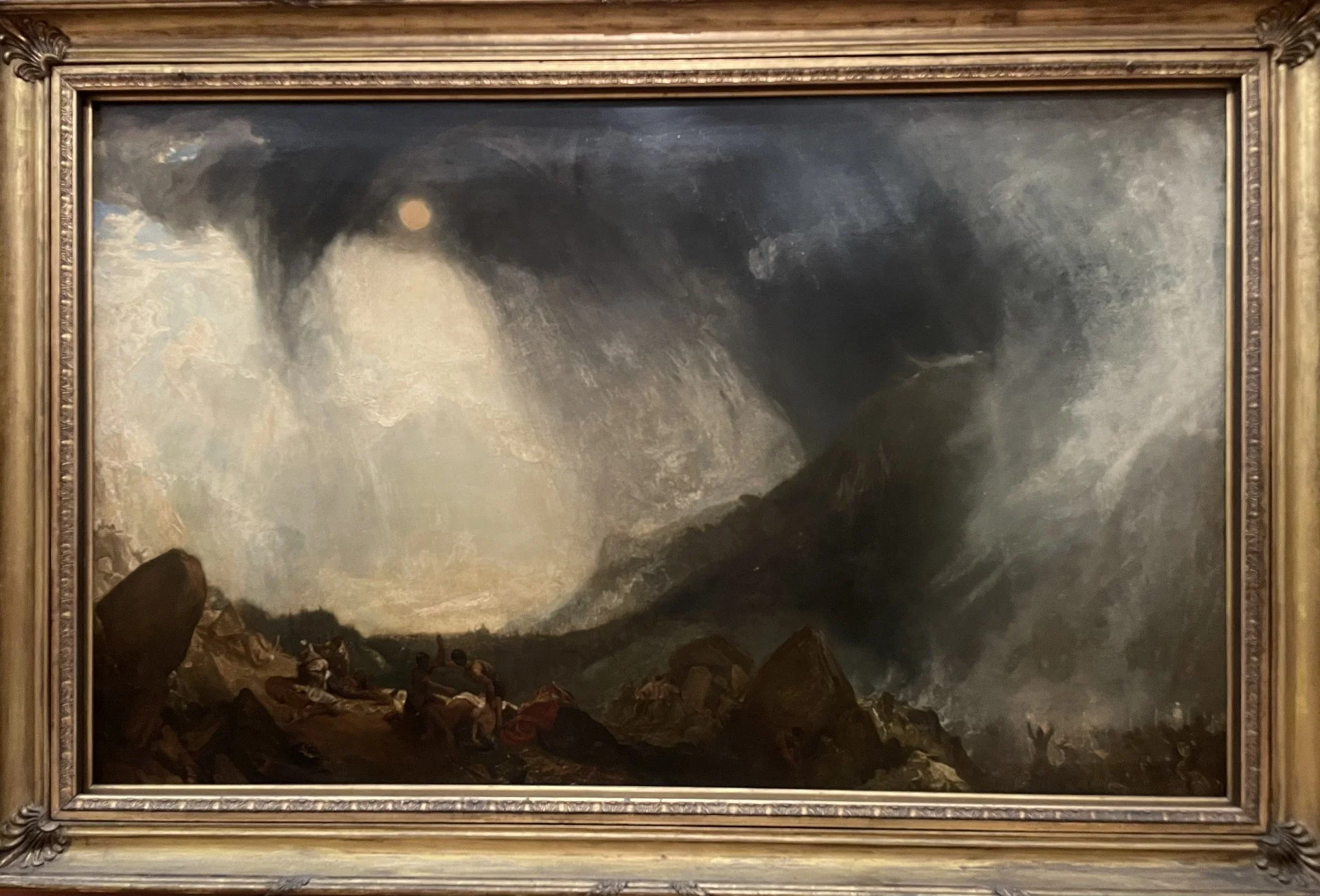
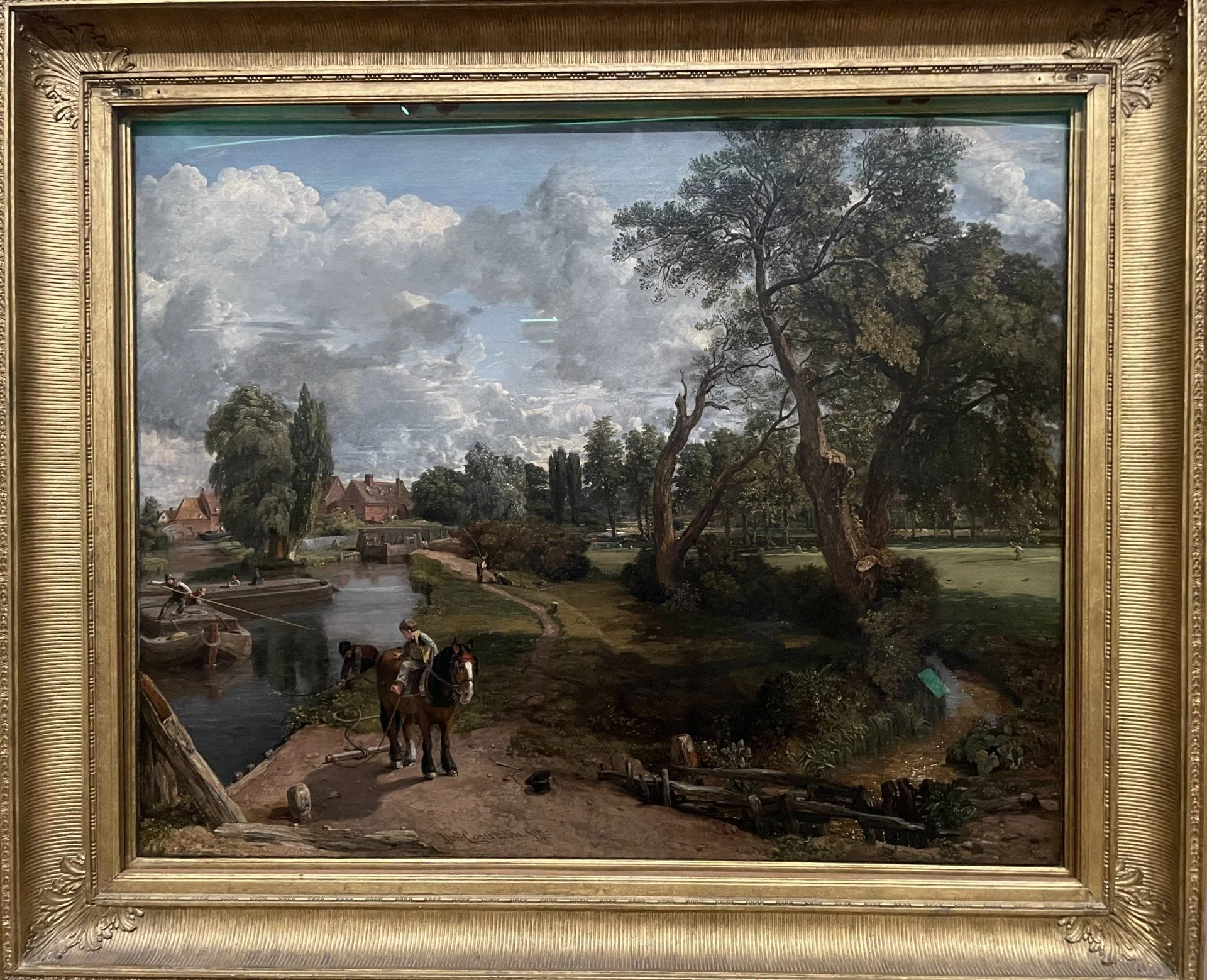
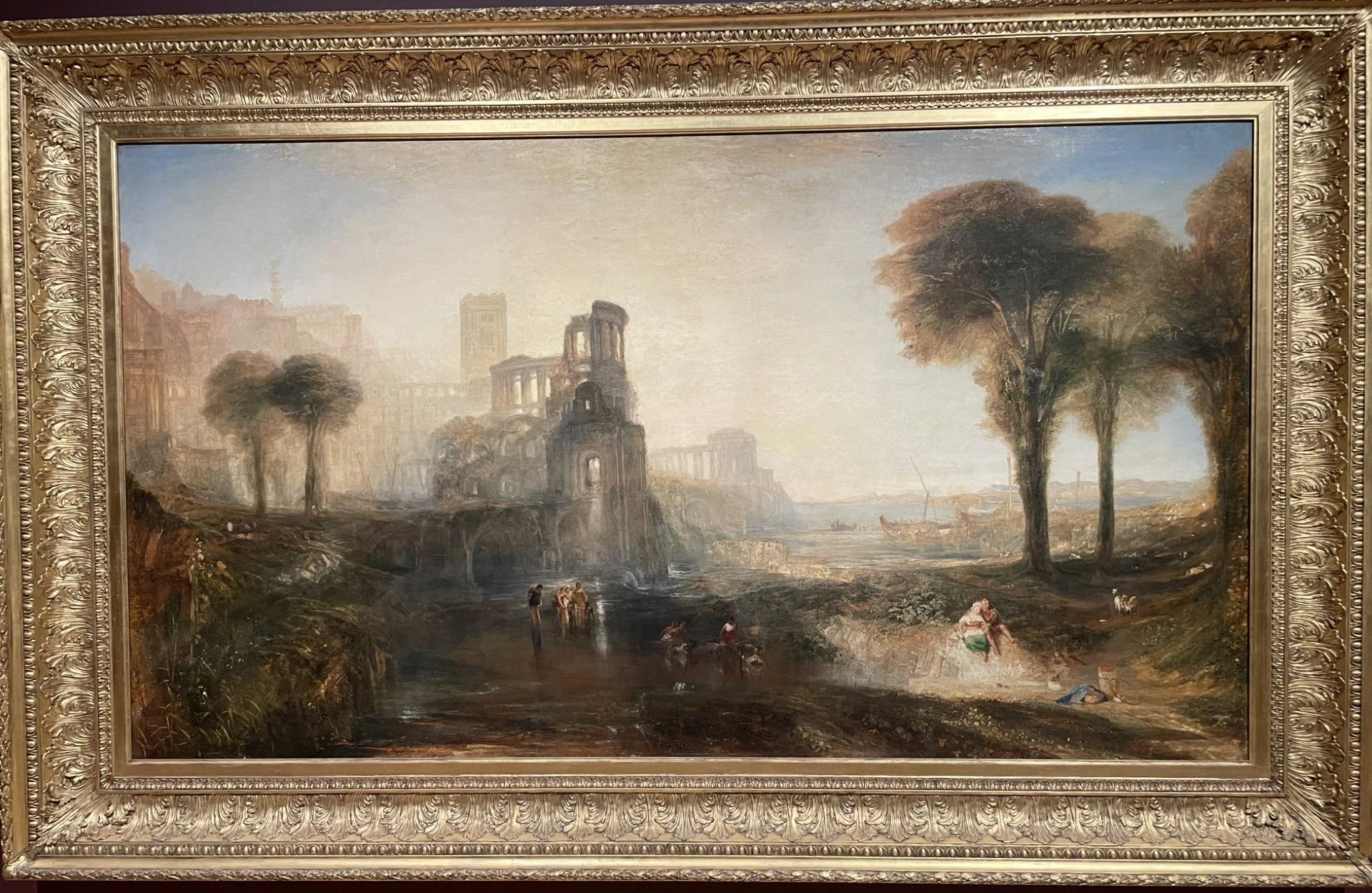
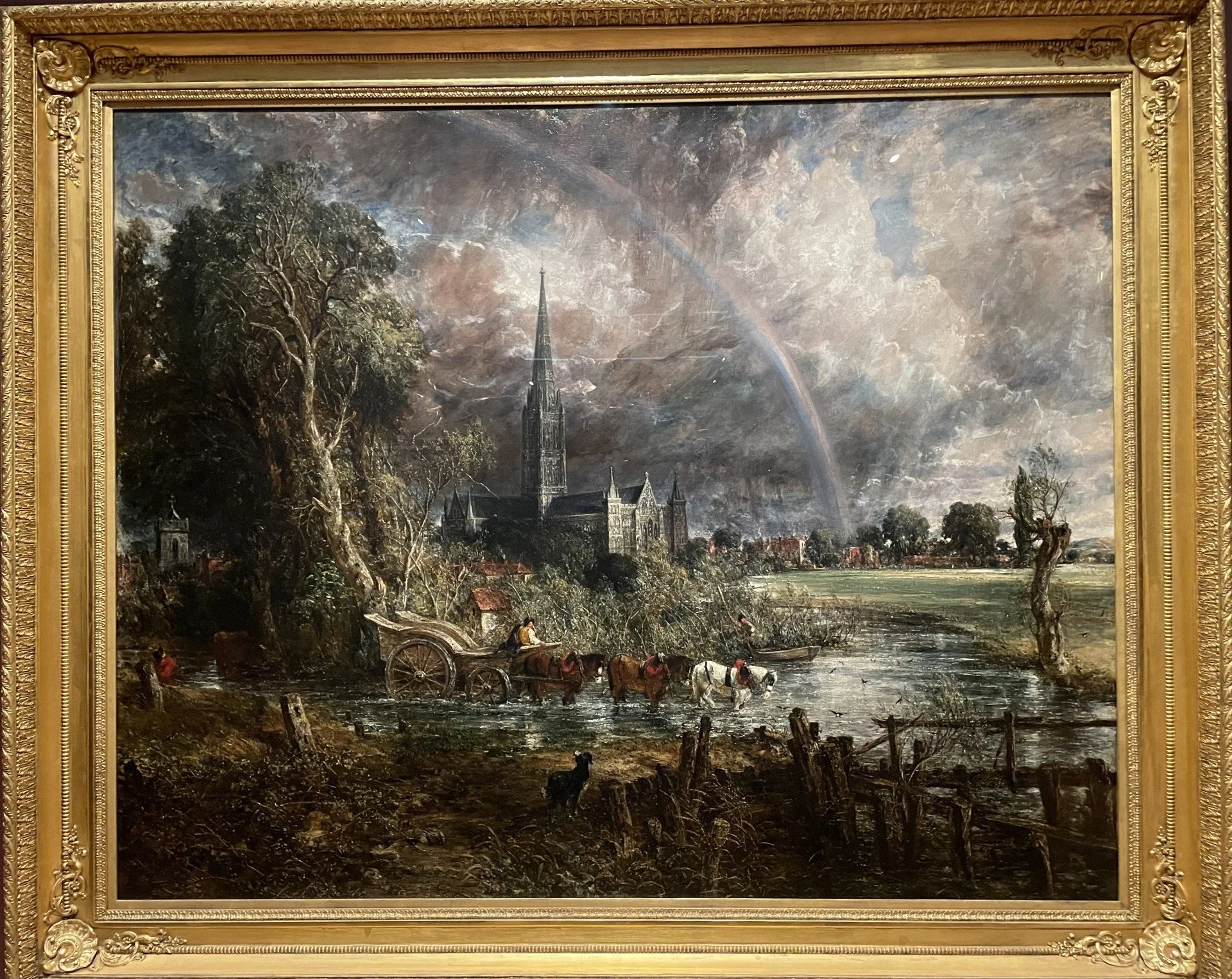
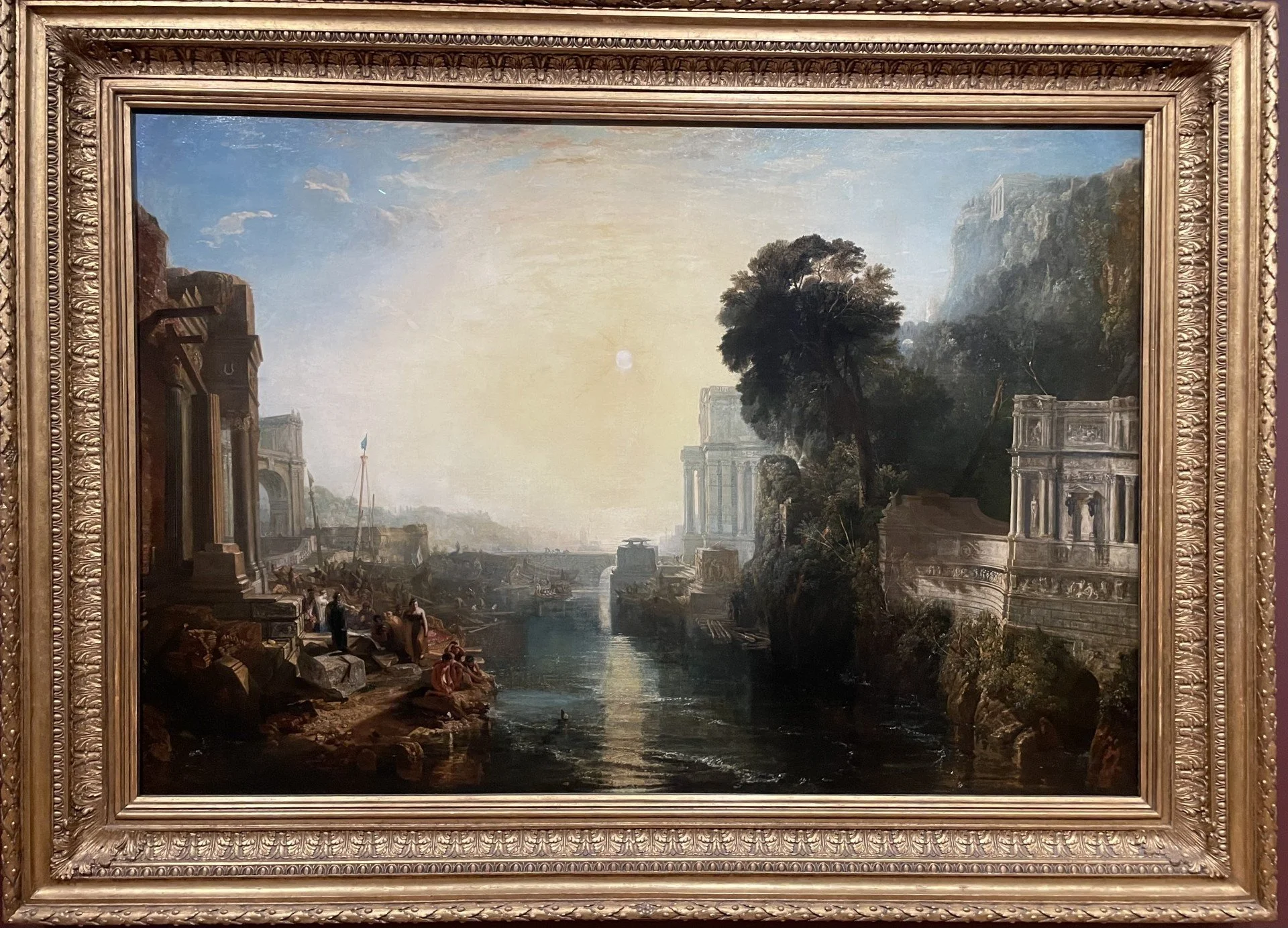
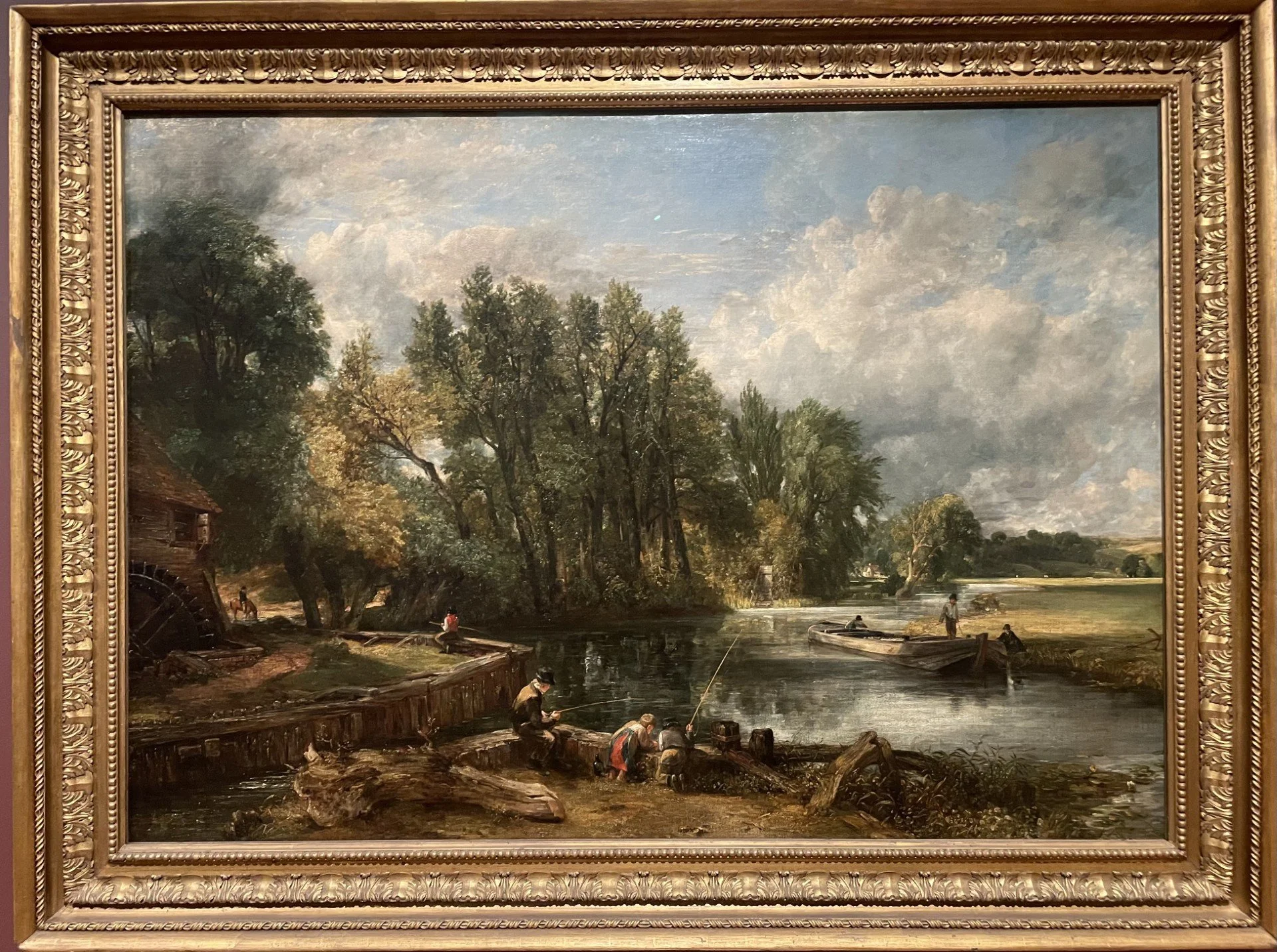
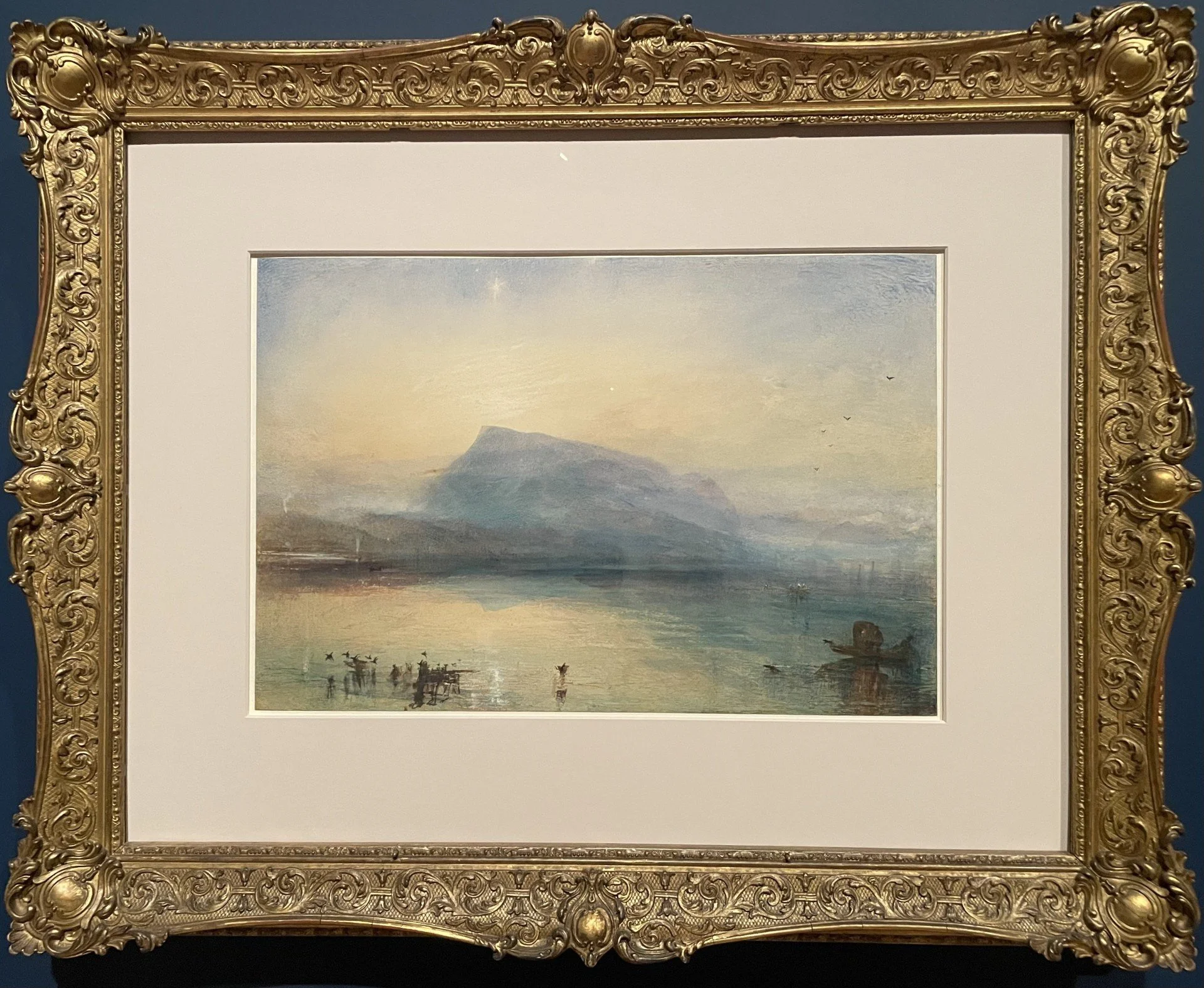
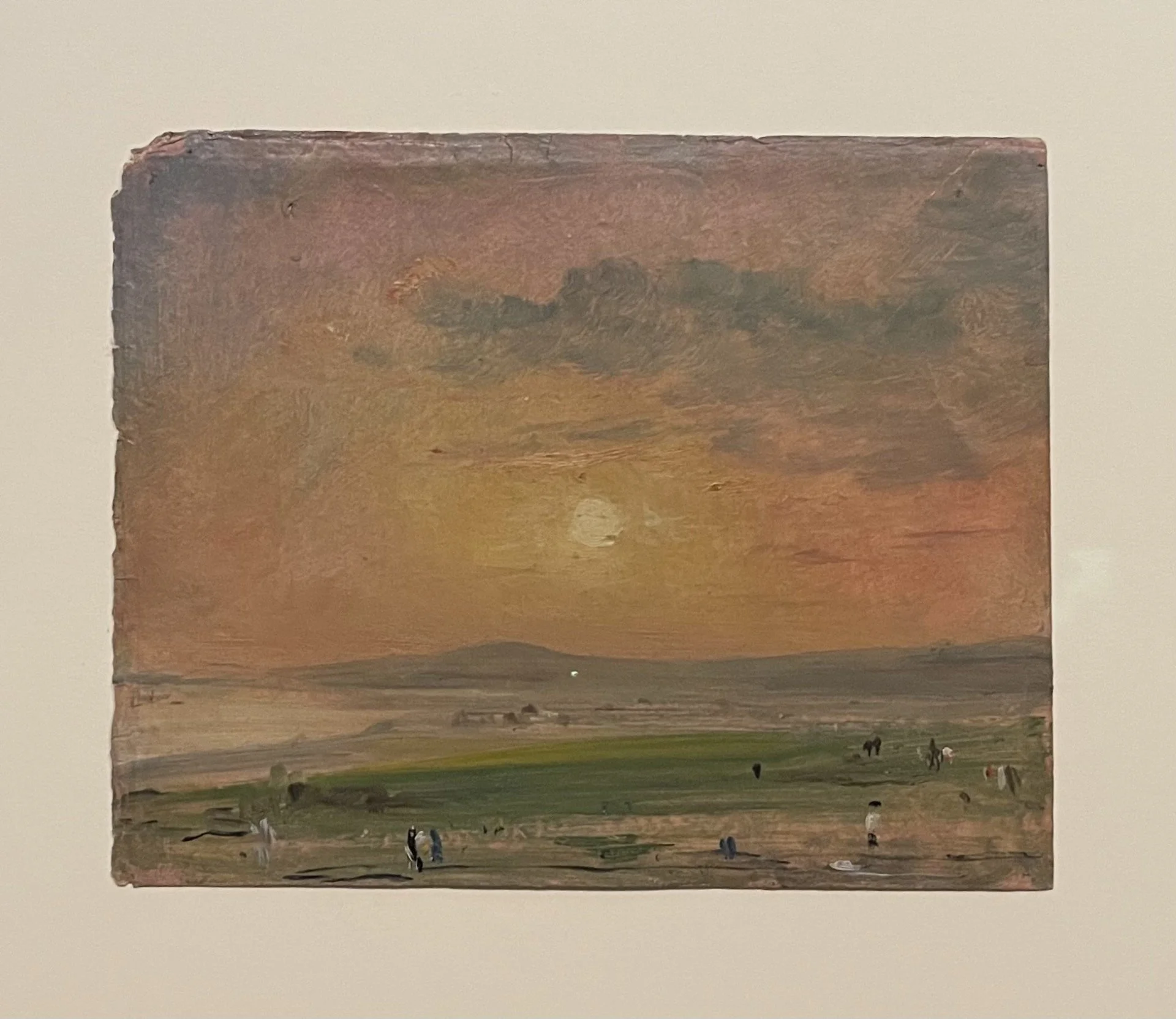
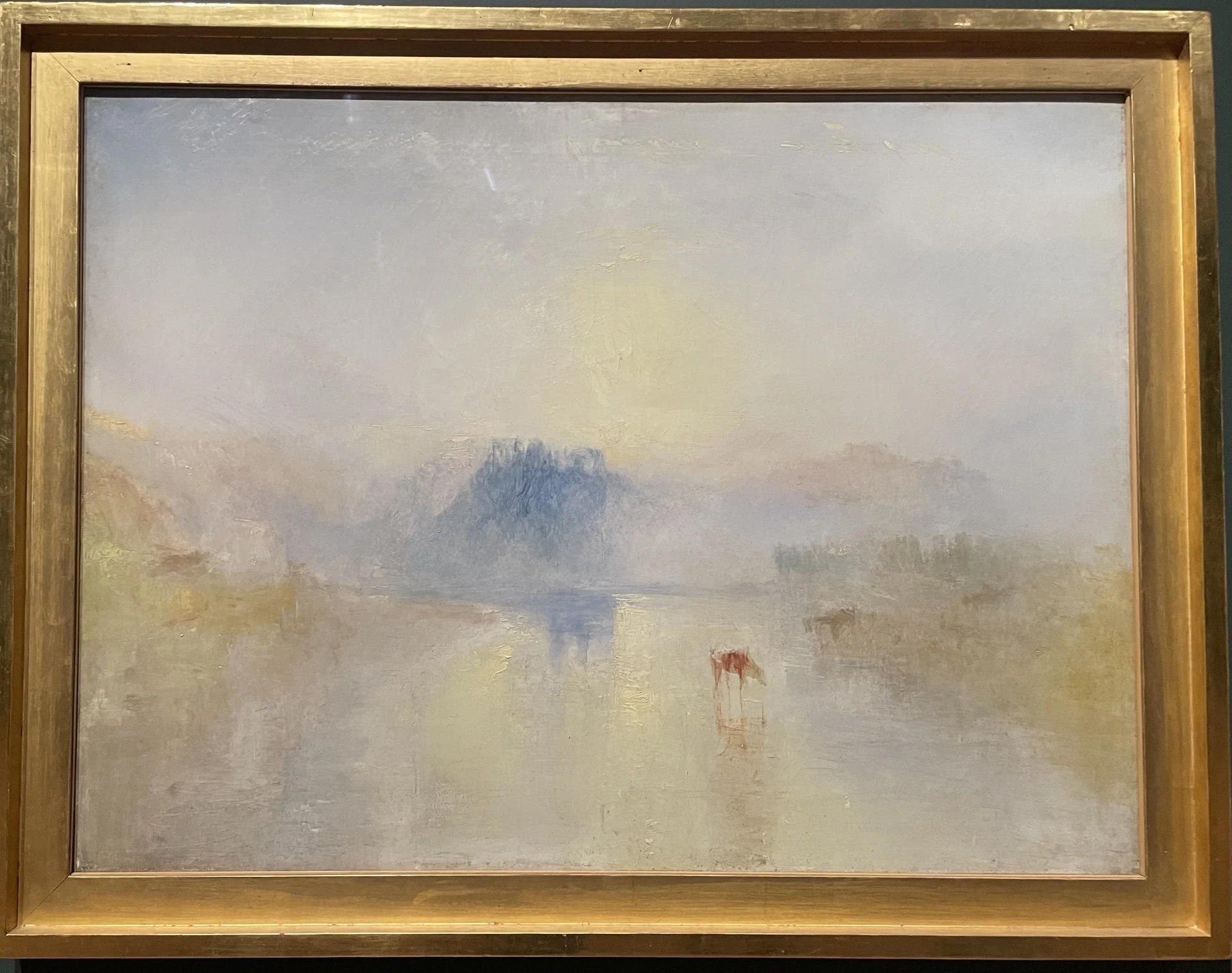
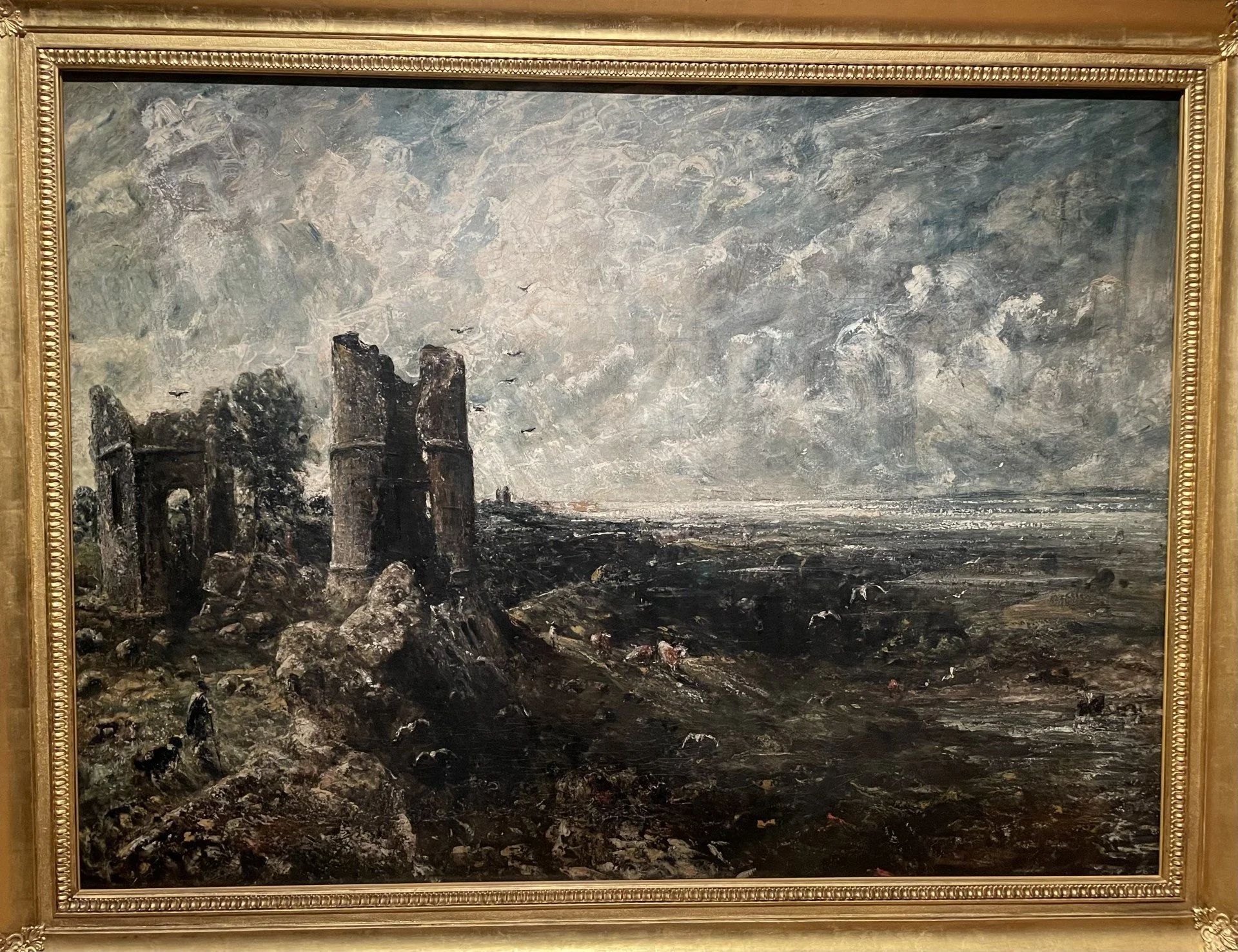
Turner Self Portrait c. 1799
JOSEPH MALLORD WILLIAM TURNER
1775-1851 born and died London, Turner’s reputation is as one of the most important British painters, whose work accorded landscape and seascape respectability. Son of a wig-maker and an unstable mother, he spent much time as a child with relatives, in Oxfordshire and attending school in Margate, where he established a lifelong fascination with the sea. He sold his work as early as 1787, first exhibited at the Royal Academy aged 15, becoming a full member in 1802 and going on to have a long and successful career. Turner is considered the founder of Romantic landscape painting and revolutionised the tradition of highly defined detail, bridging the gap between “traditional” art and Modernism; his works went on later to influence the Impressionist movement. He was trained academically, yet, as his career progressed, he began to pay less attention to the details of object and landscape and more attention to the effects of light and colour. He became increasingly fascinated with natural atmospheric effects and the powers of nature, transferring this passion on to canvas. Turner relentlessly studied light and nature, often travelling abroad to do so; he travelled throughout Britain, to Switzerland, Italy and France, where he also studied at the Louvre. He had a phenomenal output of drawings and paintings and bequeathed over 100 oil paintings, together with a large number of watercolours, sketches and drawings to the nation in his will.
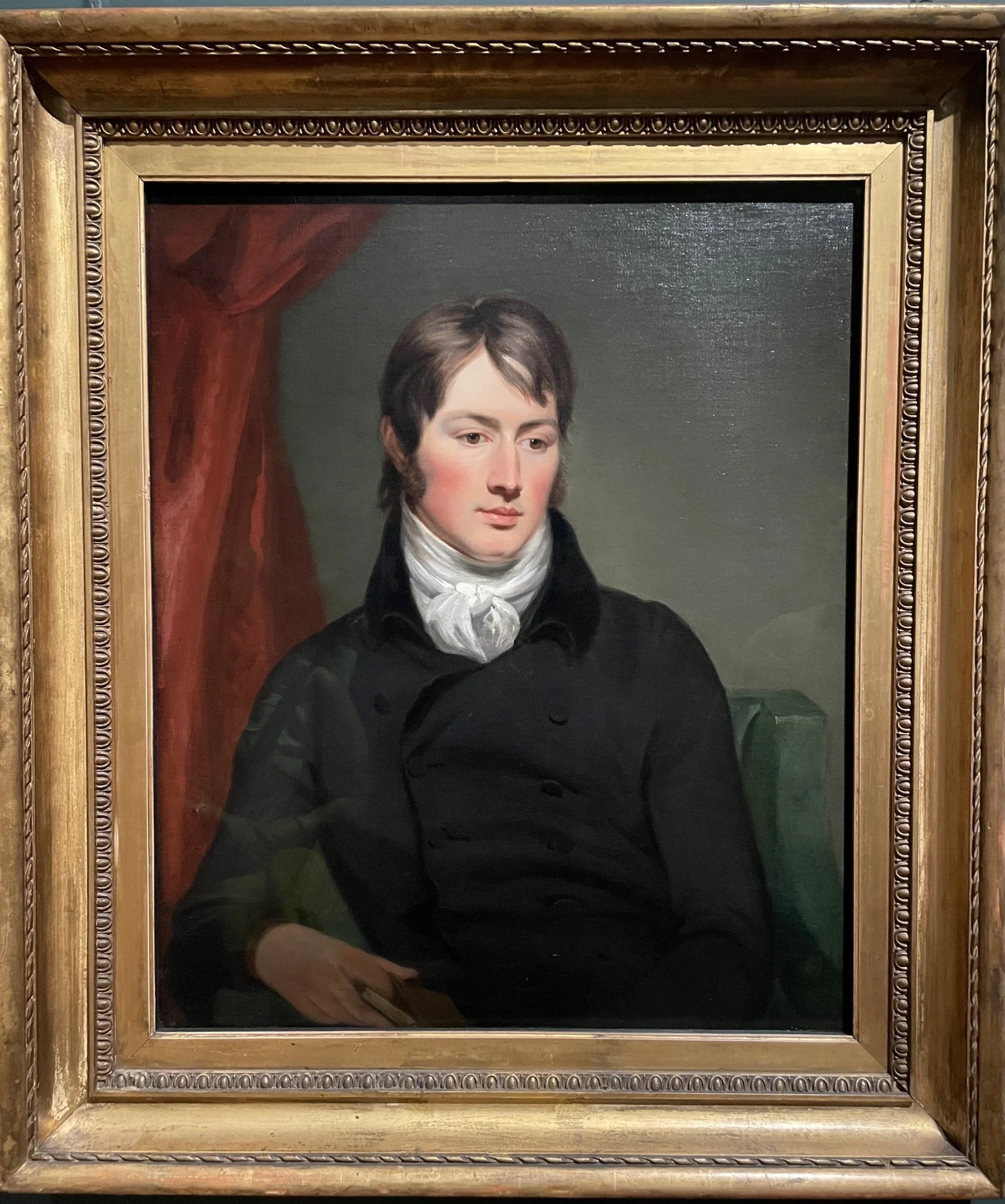
Constable by Ramsay Reingale c. 1799
JOHN CONSTABLE
1776-1837 born East Bergholt, Suffolk, died London, son of a wealthy corn merchant who owned two water-mills, Constable is renowned for his landscape paintings of Suffolk, Salisbury Cathedral and Hampstead Heath. He developed a passion for the local countryside and drawing at a young age and, after training as a miller for a year, left Suffolk for London where he was admitted to the Royal Academy schools. His bonds with Suffolk remained strong and he returned each summer to sketch and paint. As a young boy, Constable would spend hours sketching the clouds, a pastime he referred to as “skying”, which developed his skill at recreating the formations of clouds and sunlight. Constable’s art is today extremely popular, but during his lifetime, was unfashionable and he struggled for recognition, only selling his first landscape at the age of 39. His landscapes were acclaimed in France, but the Royal Academy refused him full membership until 1829 as landscape was low in the hierarchy of types of painting in the early 19th century. Turner was able to win the approval of the RA and a large degree of wider popularity by painting historical subjects or themes from classical literature in a landscape background. Constable, however, had no interest in imaginative subject matter and was determined to record the beauty of the English countryside. Constable’s work had the most influence in France and his followers included the Barbizon School, the French Impressionists, Corot, Gericault and Delacroix.